Explore Manipur tourism with the best tourist places including Loktak Lake, Imphal, and Keibul Lamjao National Park. Plan an unforgettable trip to Manipur.
Tucked away in the far northeastern corner of India, Manipur is one of the country’s most quietly spectacular states, a place where emerald valleys give way to rolling hills, where ancient royal traditions still shape daily life, and where a shimmering lake seems to float somewhere between land and water. The name Manipur itself translates to “the jewelled land,” and travellers who make the journey often come away agreeing that the title is well earned. Ringed by nine sub-Himalayan mountain ranges and centred on the fertile Imphal Valley, the state offers a rare combination of natural beauty, indigenous culture and living history that few other Indian destinations can match.
For a long time, Manipur remained one of India’s least explored regions, overshadowed by better-known Northeastern neighbours such as Meghalaya and Sikkim. That is slowly changing. Growing interest in offbeat and community-led travel has brought a new wave of visitors to Manipur’s lakes, craft villages and hill towns, drawn by experiences that feel personal rather than packaged. North East Tour Package a leading travel company in North East India brings you the guide walks through the destination’s best places to visit, its culture, cuisine and festivals, along with the practical details, permits and safety information every traveller should know before planning a trip.
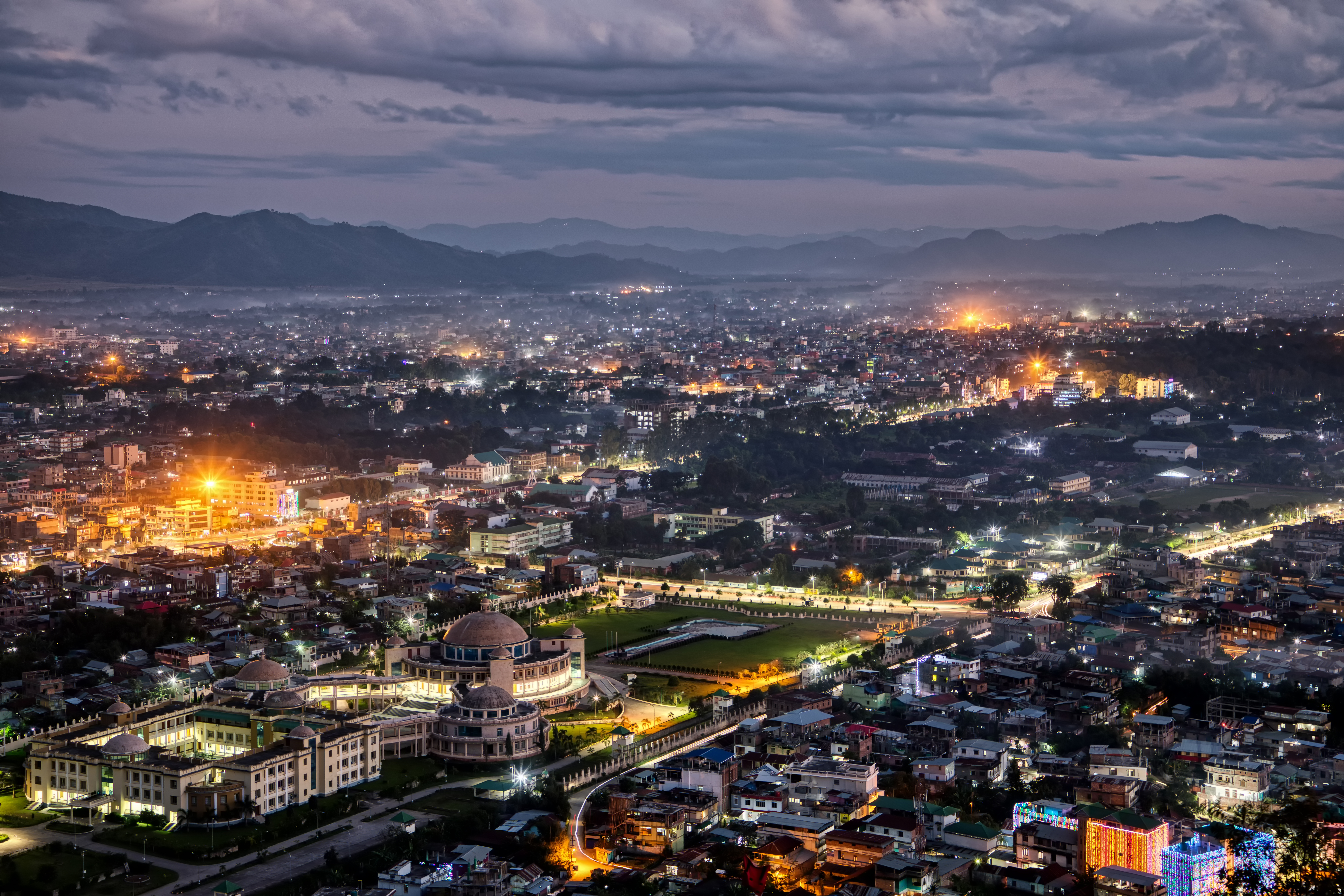
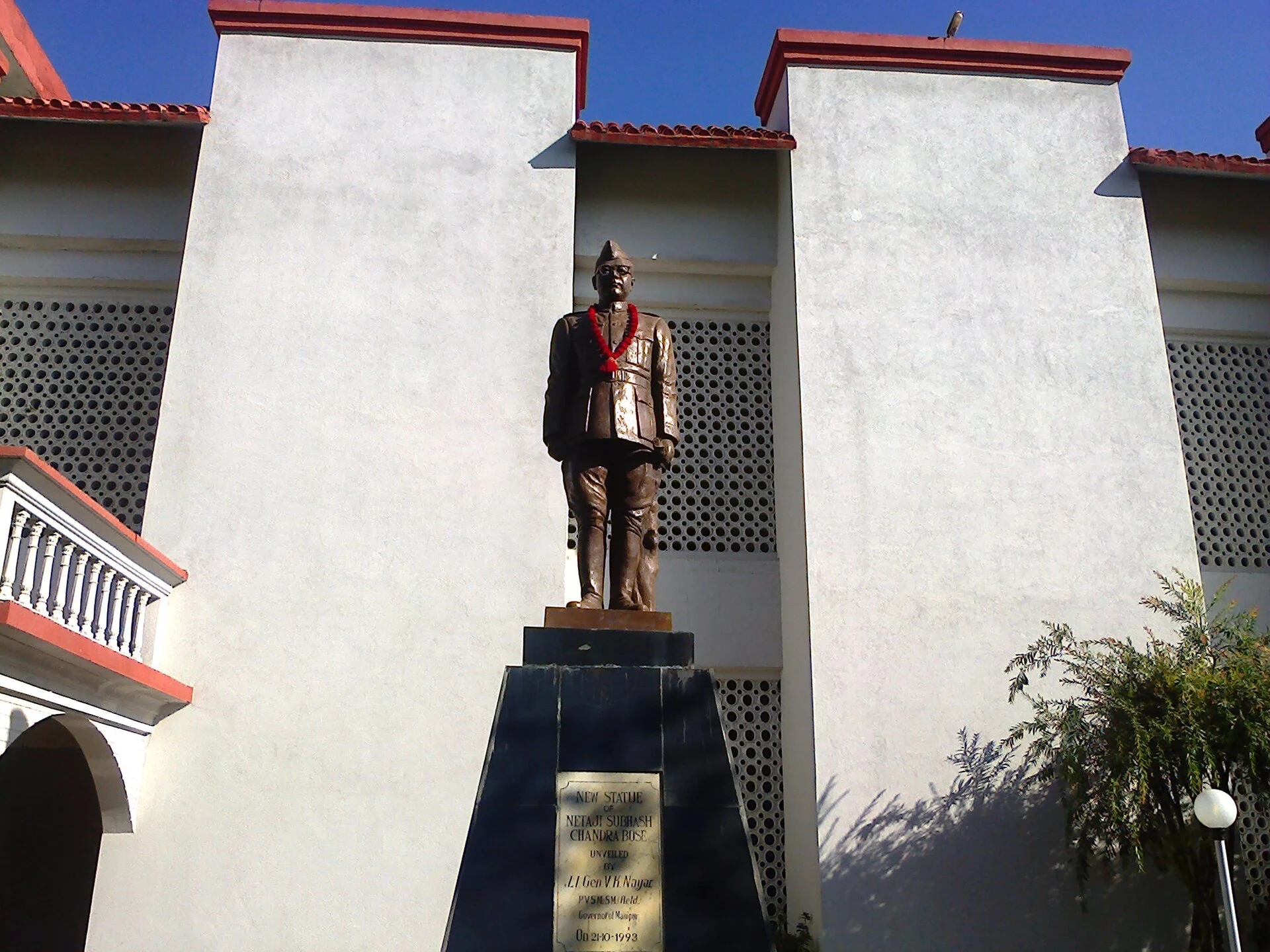
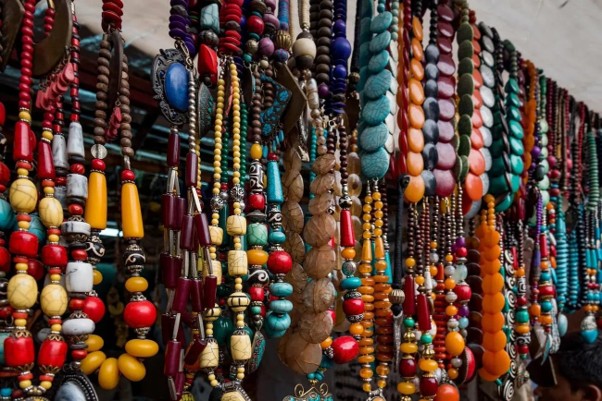
Almost every Manipur itinerary begins in Imphal, the state capital and a city where centuries of royal history sit alongside a lively modern rhythm. At its centre stands Kangla Fort, once the seat of Manipur’s kings and considered the spiritual and political nerve centre of the old Manipuri kingdom, with its moats, gates and shrines offering a window into the region’s monarchic past. Nearby, Ima Keithel, or the Mothers’ Market, is one of the largest markets in Asia to be run entirely by women, and a walk through its rows of vegetables, fish, textiles and handloom goods is one of the most memorable ways to understand everyday Manipuri life. History enthusiasts should also set aside time for the Indian National Army Memorial, which commemorates a significant chapter of India’s freedom struggle that played out on Manipuri soil.


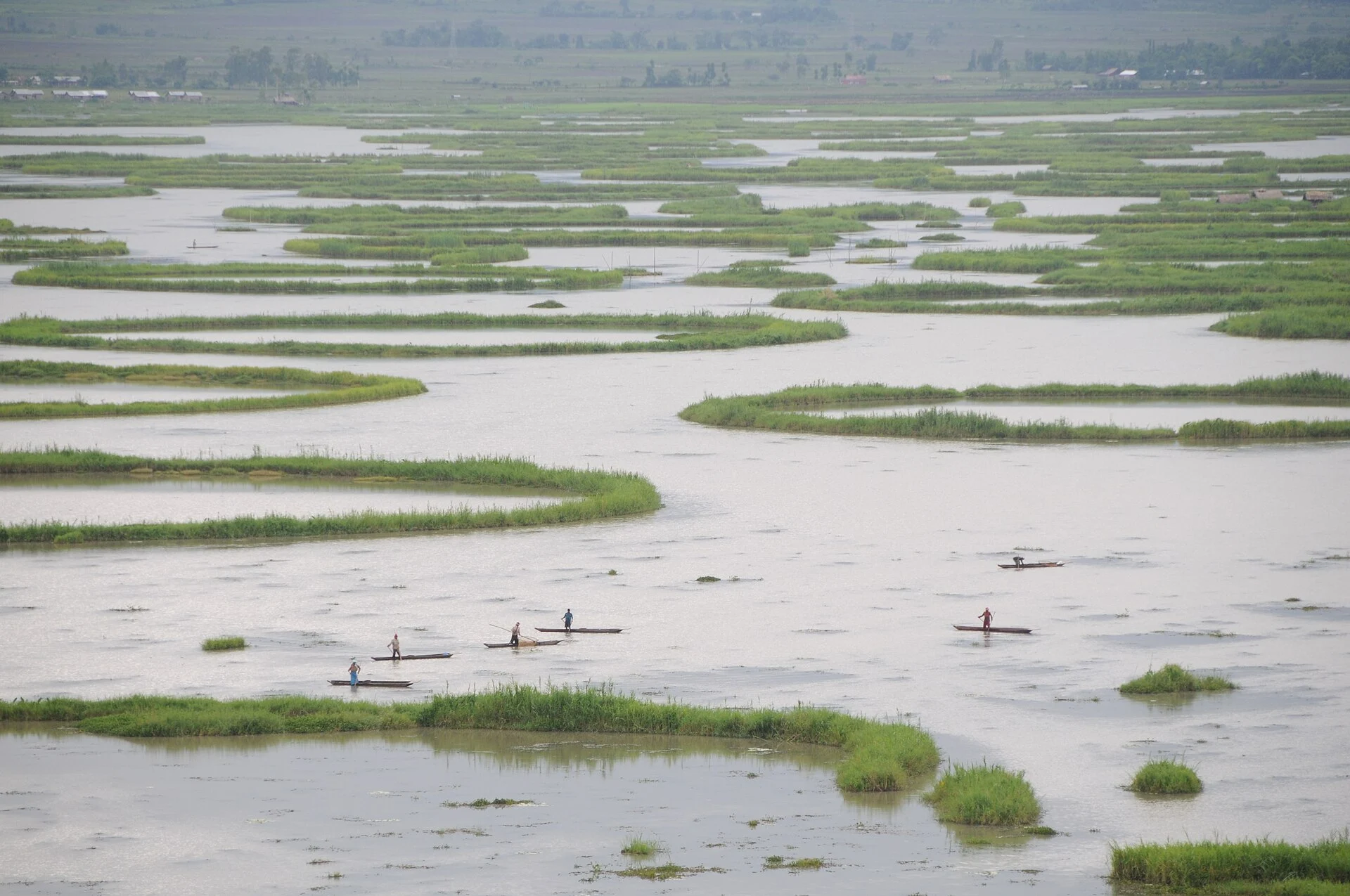
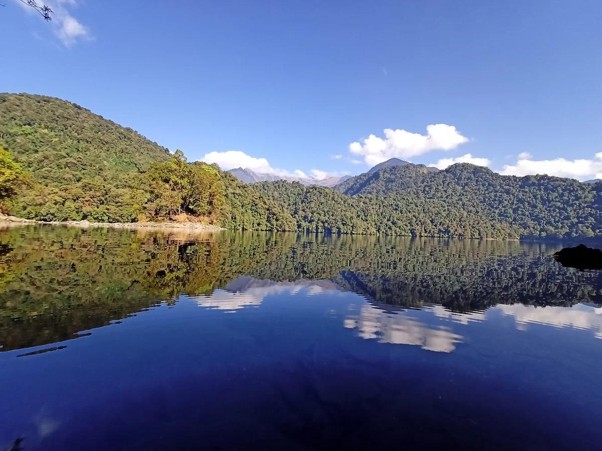
No description of Manipur tourism is complete without Loktak Lake, the largest freshwater lake in Northeast India and one of the most distinctive natural sights anywhere in the country. Its surface is dotted with phumdis, thick floating mats of vegetation and soil that drift gently across the water and, in places, have become permanent enough to support small fishing settlements. A boat ride at sunrise or sunset, when the light catches the floating islands and the surrounding hills reflect on the still water, is an experience that stays with most visitors long after they leave. On the fringes of the lake lies Keibul Lamjao National Park, celebrated as the world’s only floating national park and home to the endangered Sangai, the brow-antlered deer that is Manipur’s state animal. Guided boat safaris and watchtower visits offer the best chance of spotting the Sangai grazing on the floating meadows.
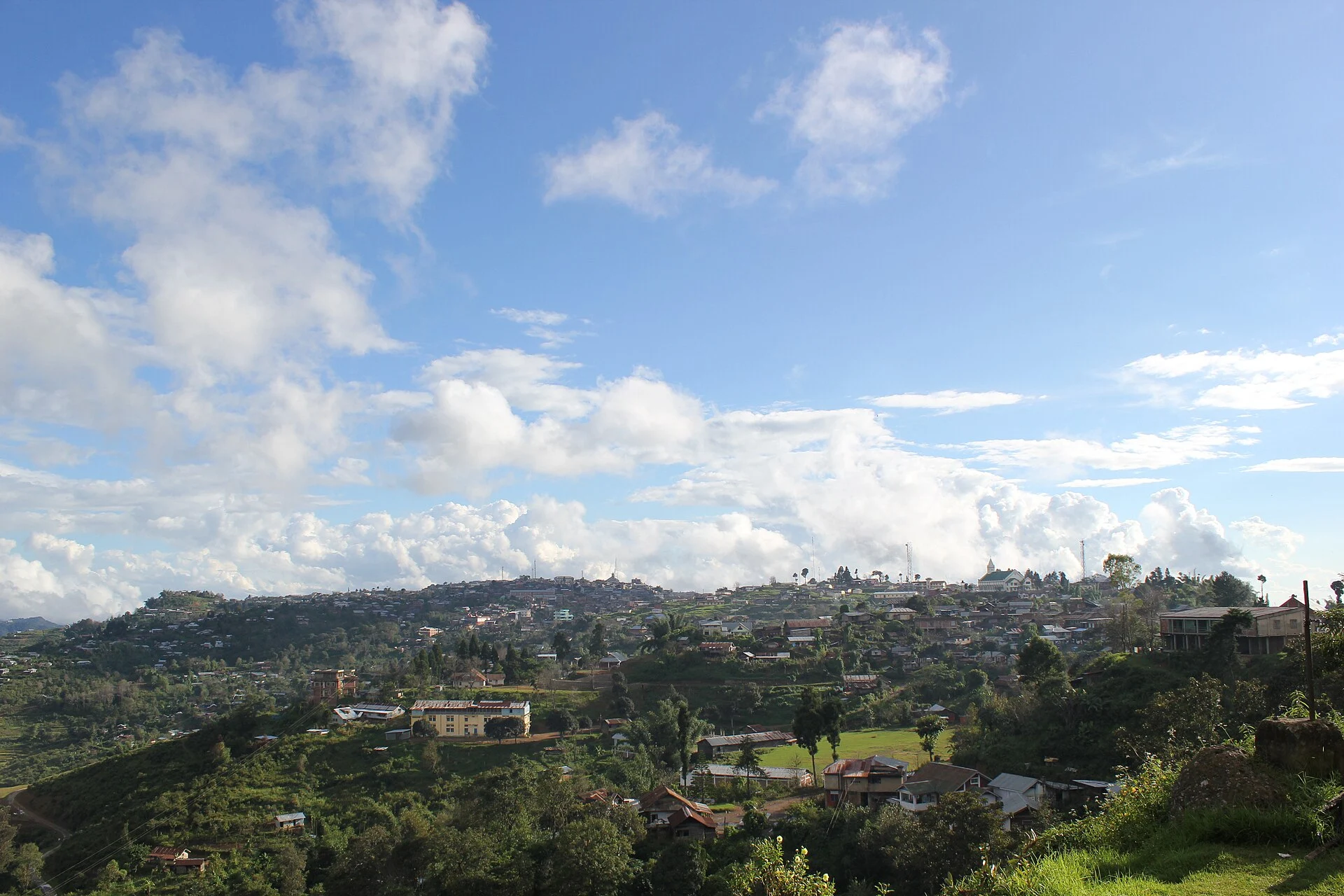
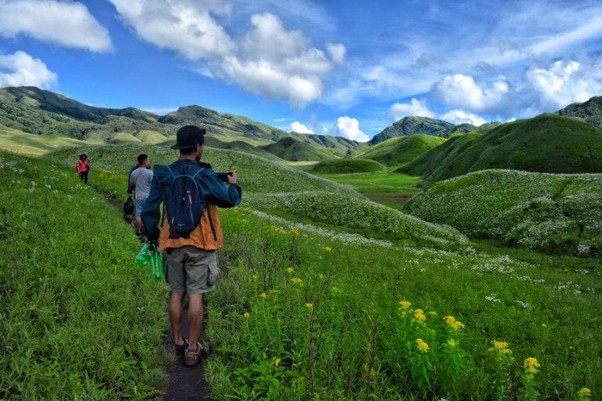
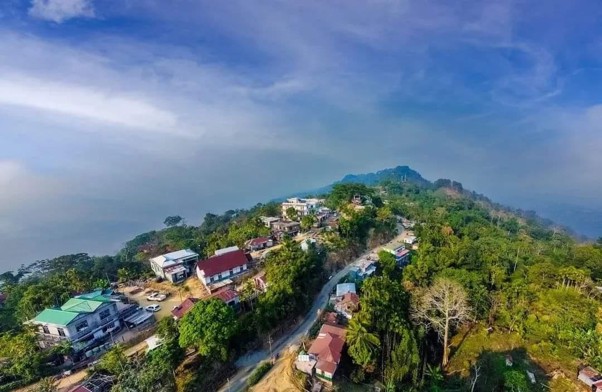
For travellers who want to trade the valley for the mountains, Ukhrul is Manipur’s answer to a hill retreat. Roughly 84 kilometres from Imphal, this Tangkhul Naga town is surrounded by pine-covered slopes, terraced fields and clear streams, and is best known for the Shirui Lily, a rare flower found nowhere else on earth that blooms on the nearby Shirui Kashong peak each summer. The wider Senapati and Ukhrul region is also the gateway to Dzuko Valley, a high-altitude valley famous for its seasonal carpets of wildflowers, and to lesser-known spots like Khayang Peak and the Nillai tea estate, both popular with travellers seeking quiet, unhurried nature escapes.


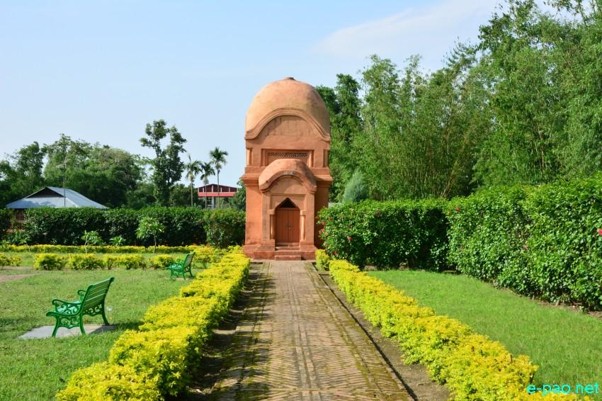
The town of Moirang holds an important place in India’s independence history, since it was here that the Indian National Army first raised the tricolour on Indian soil in 1944, an event commemorated at the town’s INA memorial complex. Moirang also serves as a convenient base for exploring the southern stretch of Loktak Lake. A short distance away, Bishnupur draws a steady stream of religious travellers thanks to its cluster of temples, including the Radha Shyam Temple, Rasmancha and Sridhara Temple, admired as much for their distinctive architecture as for their spiritual significance.
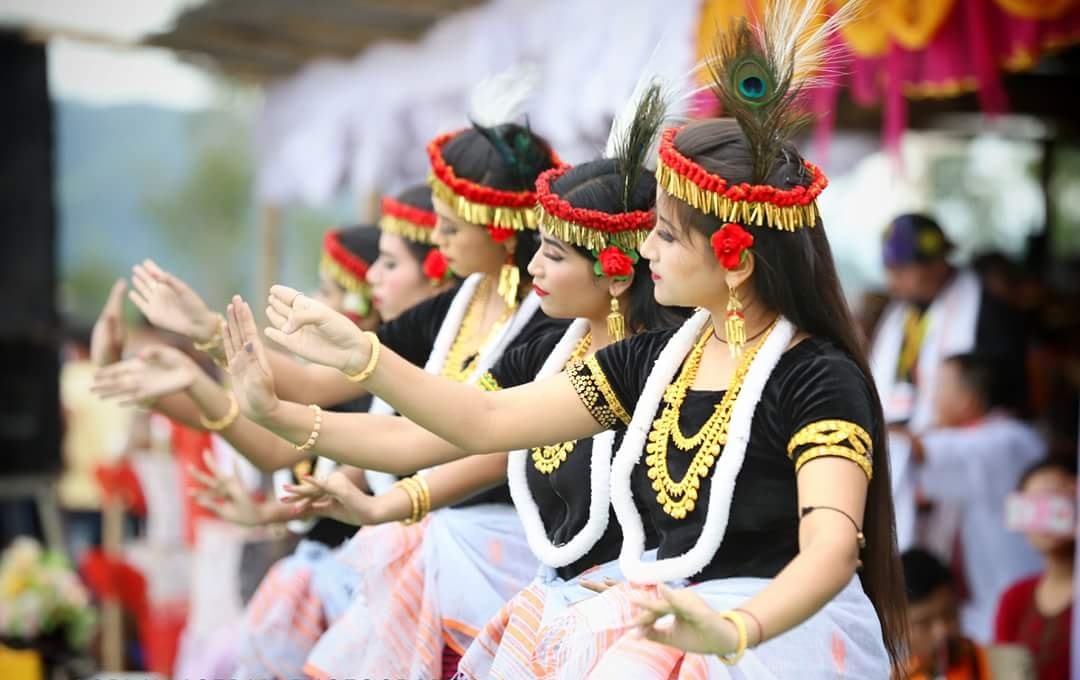
Manipur’s cultural identity runs deep, and its influence on Indian classical arts is disproportionate to the state’s size. Manipuri dance, one of India’s eight classical dance forms, developed here and remains central to religious and social life, particularly through the graceful Ras Leela performances that dramatise stories from Krishna’s life. The state is home to a rich mix of communities, including the Meitei people of the valley and numerous Naga and Kuki-Zo tribes across the hills, each contributing distinct languages, textiles, music and festivals to Manipur’s cultural fabric. Sajibu Cheiraoba in April marks the Meitei new year with feasting and family visits, while the Shirui Lily Festival celebrates Ukhrul’s famous bloom with folk performances and craft displays.


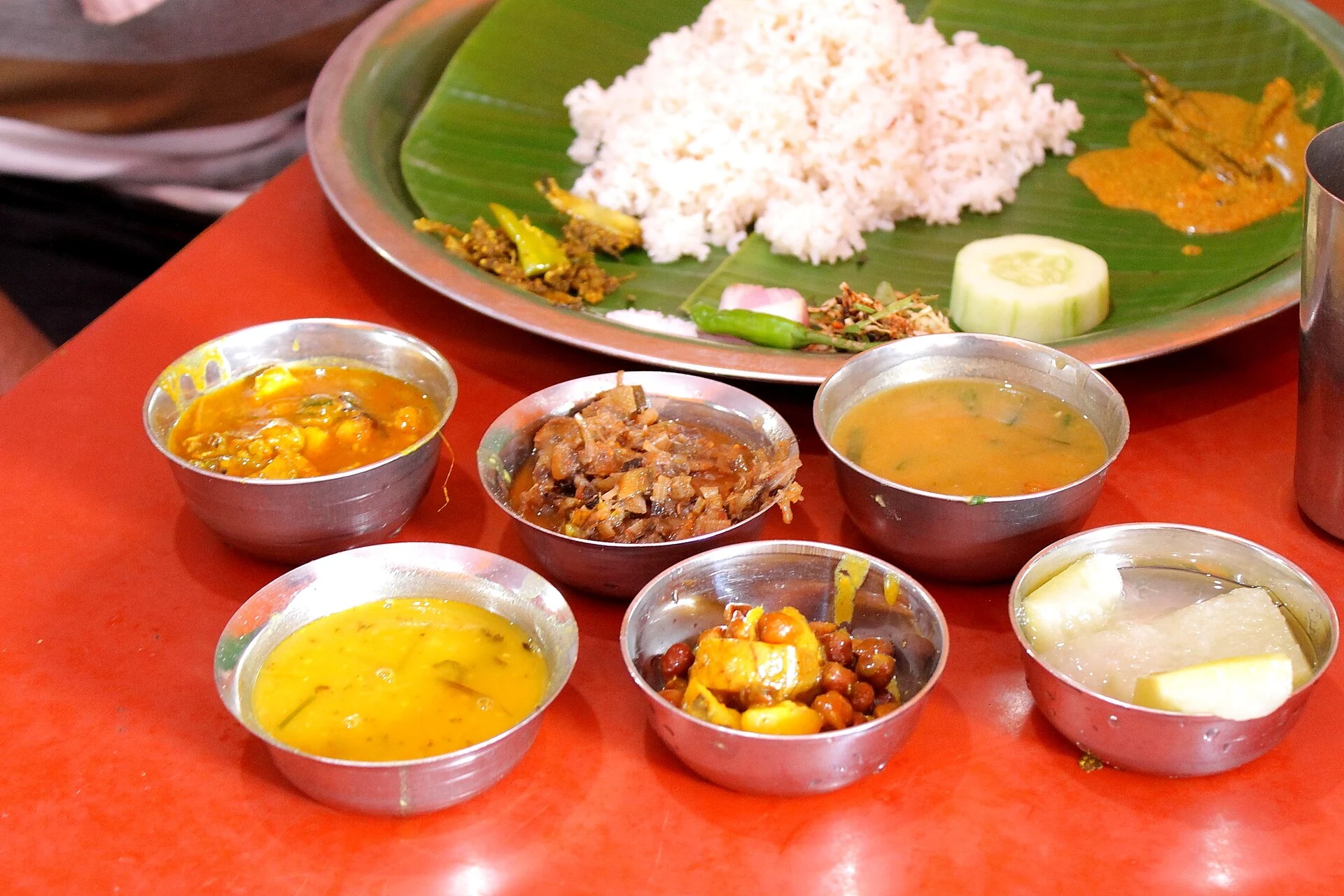
Manipuri food reflects the region’s geography, built around rice, freshwater fish, seasonal greens and fermented ingredients rather than heavy use of oil or dairy. Dishes lean on fresh herbs and often skip the garam masala found elsewhere in Indian cooking, relying instead on ingredients like ngari, a fermented fish paste, to build flavour. Eromba, a spiced mash of boiled vegetables and fermented fish, and chak-hao kheer, a dessert made from Manipur’s black rice, are two dishes worth seeking out. Food here changes with the seasons, so a thali eaten in winter can look quite different from one served during the monsoon, giving repeat visitors a reason to return.
The most rewarding months to visit Manipur run from October through March, when the monsoon has cleared and the state settles into a spell of crisp, pleasant weather with daytime temperatures generally between 13 and 28 degrees Celsius. Winter mornings can be chilly in the hill districts, so a light jacket is worth packing, but the clear skies during this stretch make it ideal for sightseeing, lake visits and short treks. Spring, particularly April, brings the added charm of blooming flowers across the valley and coincides with Sajibu Cheiraoba, the Meitei community's traditional new year celebration. The monsoon months of June to September are best avoided, since heavy rainfall can disrupt road travel and limit access to some of the more remote hill areas.
Imphal International Airport is the state's main gateway and has regular flights connecting to Delhi, Kolkata, Guwahati and other major Indian cities, making air travel by far the most convenient way in for most visitors. Travellers coming overland typically route through Guwahati in neighbouring Assam before continuing to Manipur by road, a scenic but longer journey through the hills. Within Imphal, auto-rickshaws and taxis are readily available, while hiring a car with a local driver, usually priced in the range of INR 2,000 to 2,500 per day, is the most practical way to reach outlying attractions like Loktak Lake, Moirang and the hill towns.

Established tourist circuits such as Imphal, Loktak Lake and Ukhrul continue to welcome visitors, and most trips to these areas pass without incident. That said, the state has experienced periods of ethnic unrest since 2023, and some governments currently advise against non-essential travel to Manipur. Check the latest advisory from the Indian Ministry of Home Affairs and your own government before booking, travel with a reputable local operator, and avoid remote border areas unless you have specific local guidance.
October to March is the most comfortable window, with clear skies and daytime temperatures generally between 13 and 28 degrees Celsius. April is also appealing for the Sajibu Cheiraoba new year celebrations and blooming flowers, while the June to September monsoon is best avoided due to heavy rain and possible road disruptions
Indian citizens do not need any special permit. Foreign nationals need either an Inner Line Permit or a Protected Area Permit depending on which areas they plan to visit, which can usually be arranged online in advance or on arrival.
The easiest route is by air into Imphal International Airport, which has regular flights from Delhi, Kolkata, Guwahati and other major Indian cities. Travellers coming overland usually route through Guwahati in Assam before continuing to Manipur by road.
Four to five days is generally enough to cover Imphal, Loktak Lake, Keibul Lamjao National Park and Moirang at a relaxed pace. Adding a couple of extra days lets you extend into the Ukhrul hills or Bishnupur’s temples without rushing the itinerary.
Loktak is the largest freshwater lake in Northeast India and is best known for its phumdis, floating masses of vegetation and soil that drift across the water and, in some areas, support small fishing communities. It is also home to Keibul Lamjao National Park, the world’s only floating national park and the natural habitat of the endangered Sangai deer.
Look out for eromba, a spiced mash of boiled vegetables and fermented fish, and chak-hao kheer, a dessert made from Manipur’s distinctive black rice. Manipuri cuisine leans on fresh herbs, rice, freshwater fish and fermented ingredients rather than heavy spices or oil, and dishes often change with the season.
Manipur rewards travellers who come with curiosity and a little patience: a floating lake unlike anywhere else on earth, hill towns wrapped in pine and mist, markets run by generations of women traders, and a culture that has shaped classical Indian dance itself. Whether you are drawn by Loktak Lake’s floating islands, the quiet trails around Ukhrul, or the living history of Imphal’s old royal quarter, Manipur offers a version of Northeast India that still feels genuinely undiscovered. If you are planning a trip to this corner of the country, North East Tour Package can help design an itinerary that covers Manipur’s must-see sights alongside trusted local stays and guidance, so you can experience the state’s beauty with the right support on the ground.
So, what are you waiting for? Plan you trip to Manipur with us and explore one of the most beautiful hidden gems of North East India.
North East Tour Package offers customized tour packages across the breathtaking destinations of Northeast India, including Sikkim, Meghalaya, Assam, Arunachal Pradesh, Nagaland, Manipur, Mizoram, and Tripura. Choose from family, honeymoon, adventure, and group tour packages with comfortable stays, reliable transportation, sightseeing, and seamless travel experiences at the best value.
©2026 NorthEastTourPackage I All Rights Reserved