





Search
People also search for:
Kalimpong Tourism - Experience the Cultural Heart of the Eastern Himalayas
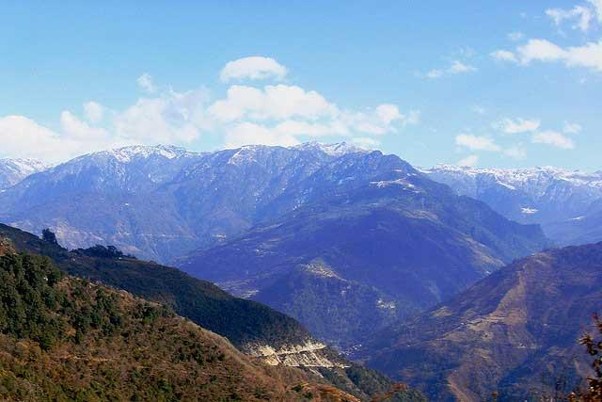
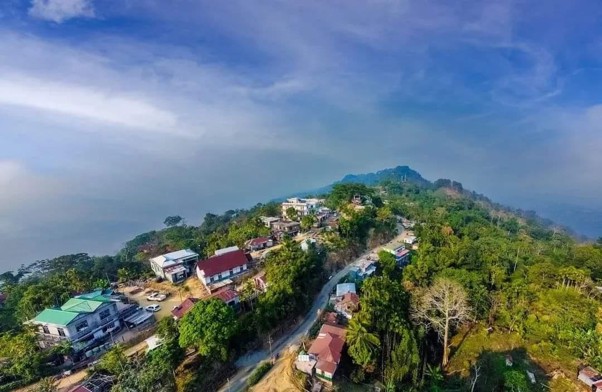
Nestled at an elevation of approximately 1,250 metres above sea level in the foothills of the Eastern Himalayas, Kalimpong Tourism offers an unforgettable blend of breathtaking landscapes, colonial heritage, Buddhist monasteries, vibrant festivals, colourful flower nurseries, and warm mountain hospitality. Located in the Kalimpong district of West Bengal, this charming hill town overlooks the emerald-green Teesta River and enjoys panoramic views of the majestic Kanchenjunga range on clear mornings. Unlike many crowded hill stations, Kalimpong has retained its peaceful atmosphere, making it an excellent destination for families, couples, photographers, nature enthusiasts, and those seeking a refreshing escape from city life.
Over the years, Tourism in Kalimpong has evolved from a quiet trading settlement into one of the most rewarding destinations in North Bengal. Visitors are drawn not only by its natural beauty but also by its fascinating history, multicultural traditions, colonial architecture, and adventure opportunities. Whether you wish to witness spectacular Himalayan sunrises, visit centuries-old monasteries, explore lush forests, taste authentic Himalayan cuisine, or simply unwind amid tranquil surroundings, Tourism Kalimpong promises experiences that remain etched in memory long after the journey ends.
About Kalimpong
Kalimpong is often described as the cultural gateway between India, Bhutan, Nepal, and Tibet. Historically, the town flourished as an important trading centre on the ancient Silk Route connecting Tibet with the Indian plains. Traders transported wool, salt, horses, silk, and handicrafts through this region for centuries, giving Kalimpong a multicultural identity that continues to shape its traditions today.
The origin of the name "Kalimpong" remains debated. Many historians believe it is derived from the Lepcha word Kalenpung, meaning "hillock where we assemble," while others associate it with Tibetan expressions referring to royal ministerial gatherings. Regardless of its linguistic roots, Kalimpong has long been regarded as a meeting point of cultures, religions, and communities.
Following the Anglo-Bhutan War in the nineteenth century, Kalimpong became part of British India. Scottish missionaries established renowned educational institutions, churches, and administrative centres that transformed the town into an educational hub of the Eastern Himalayas. Even today, colonial-era buildings and heritage schools stand as reminders of this fascinating chapter in Kalimpong's history.
Geographically, Kalimpong enjoys a pleasant subtropical highland climate throughout the year. The surrounding hills are covered with pine forests, flowering plants, orchids, cardamom plantations, and dense biodiversity. Numerous rivers, waterfalls, and forest reserves add to its ecological richness. The town's relatively moderate altitude ensures comfortable weather across most seasons, making it an ideal year-round destination.
Unlike commercial hill stations that have experienced rapid urbanisation, Kalimpong still preserves its authentic Himalayan charm. Colourful monasteries, quiet villages, winding mountain roads, flower nurseries, traditional markets, and smiling locals collectively create an atmosphere that feels genuine and welcoming.
Why Visit Kalimpong?
One of the strongest reasons to choose Kalimpong Tourism is the town's remarkable balance between nature and culture. While nearby destinations attract larger crowds, Kalimpong provides visitors with a slower pace of travel, allowing them to truly appreciate the beauty of the Himalayas.
Nature lovers can enjoy expansive mountain views, pine forests, blooming orchids, exotic cactus collections, riverside landscapes, and pristine national parks. Birdwatchers often spot numerous Himalayan species, while photographers find endless opportunities during sunrise, sunset, and mist-covered mornings.
Adventure seekers can participate in trekking, mountain biking, river rafting on the Teesta River, camping, paragliding, and village exploration. Spiritual travellers appreciate the peaceful monasteries, meditation centres, and temples that reflect the town's harmonious coexistence of Buddhism, Hinduism, and Christianity.
Families value Kalimpong for its safe environment, educational attractions, scenic parks, and comfortable pace of sightseeing. Couples are drawn to romantic viewpoints overlooking the Himalayan ranges, while solo travellers often find the welcoming local community and relaxed atmosphere ideal for meaningful travel experiences.
Another highlight of Tourism in Kalimpong is its excellent connectivity with Darjeeling, Gangtok, Lava, Lolegaon, Pedong, and Neora Valley National Park, making it a perfect base for exploring the Eastern Himalayas.
History of Kalimpong
The history of Kalimpong is deeply intertwined with the indigenous Lepcha community, considered the earliest known inhabitants of the region. Living in harmony with forests and mountains, the Lepchas developed a unique culture centred around nature, spirituality, and sustainable living.
During the seventeenth century, Kalimpong came under the control of the Kingdom of Bhutan. The Bhutanese established administrative centres and promoted trade across the Himalayan passes. This strategic location significantly contributed to the town's economic importance.
After the Anglo-Bhutan War of 1864, the British annexed Kalimpong under the Treaty of Sinchula. Recognising its commercial potential, British administrators developed roads, educational institutions, churches, and civic infrastructure. Scottish missionary Reverend Dr. John Anderson Graham later founded Dr. Graham's Homes, which became one of Asia's most respected educational institutions and remains an iconic landmark.
Kalimpong also served as an important trade gateway with Tibet until the mid-twentieth century. Tibetan merchants regularly transported wool, carpets, medicinal herbs, and handicrafts through the town, enriching its multicultural identity. Even after cross-border trade declined, Tibetan communities continued to contribute significantly to Kalimpong's economy, religion, cuisine, and artistic traditions.
Today, Kalimpong proudly preserves this rich heritage through its monasteries, museums, colonial architecture, traditional festivals, handicrafts, and multicultural lifestyle.
Top Tourist Attractions in Kalimpong
Deolo Hill
Standing at nearly 1,700 metres above sea level, Deolo Hill is the highest point in Kalimpong and one of the most iconic attractions associated with Kalimpong Tourism. The hill offers spectacular panoramic views of the Kanchenjunga range, the Teesta River valley, surrounding forests, and neighbouring villages.
⊕ Read More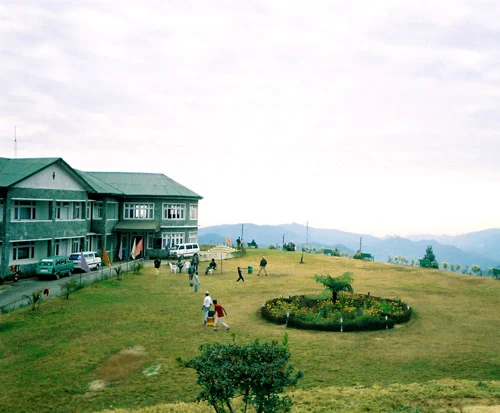
Durpin Dara Hill
Durpin Dara Hill, the second-highest viewpoint in Kalimpong, provides equally impressive vistas of the Teesta River, Jelep La Pass, and the surrounding Himalayan ranges.
⊕ Read MoreRead Less
Its peaceful environment attracts photographers, birdwatchers, and visitors seeking quiet moments away from busy tourist areas.
The hill is home to the famous Zang Dhok Palri Phodang Monastery, making it both a scenic and spiritual destination. The winding drive leading to the summit passes through forests, flower gardens, and traditional villages, making the journey itself highly enjoyable.
Early mornings offer the clearest mountain views, while evenings present spectacular sunsets over the Himalayan foothills.
Zang Dhok Palri Phodang Monastery
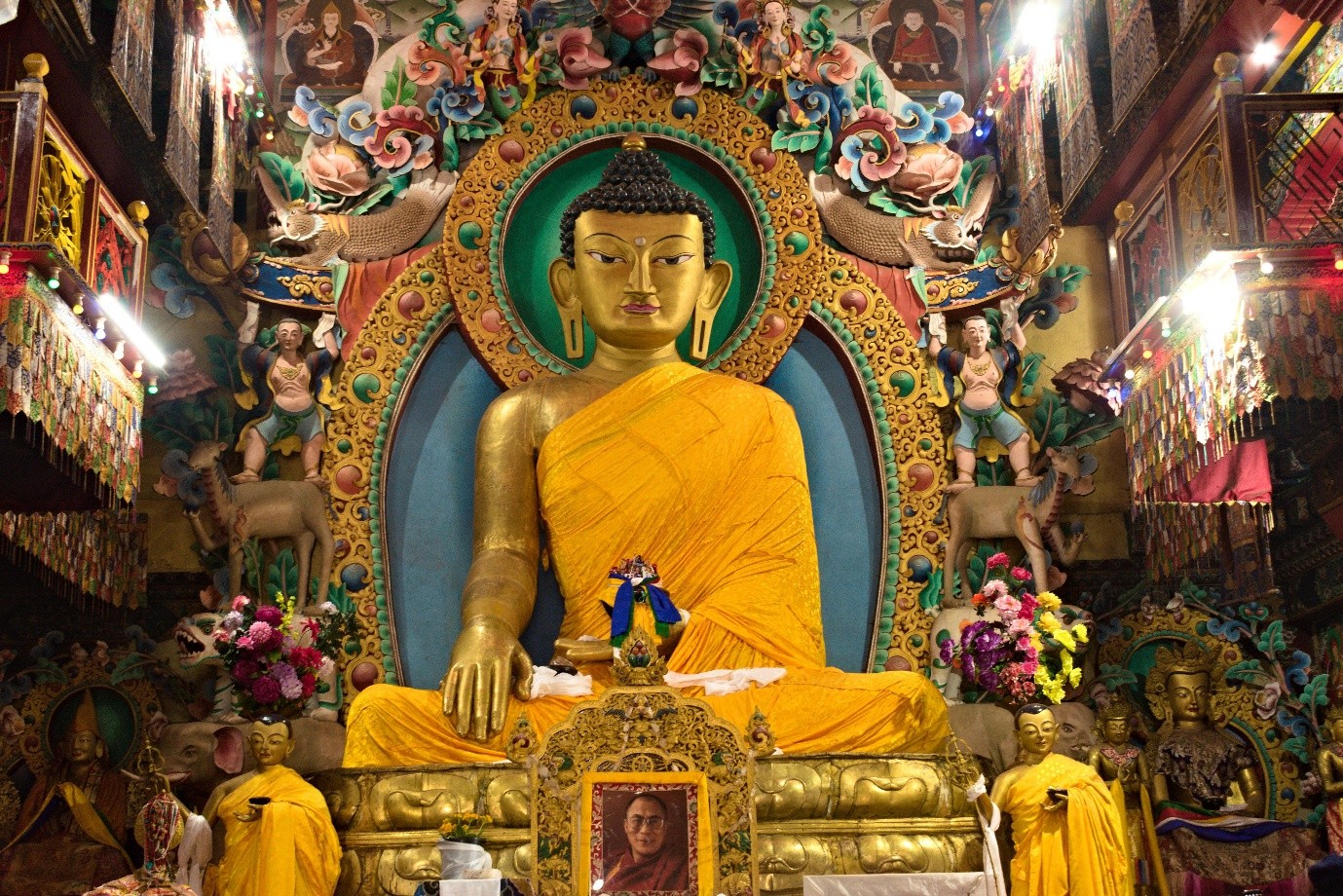
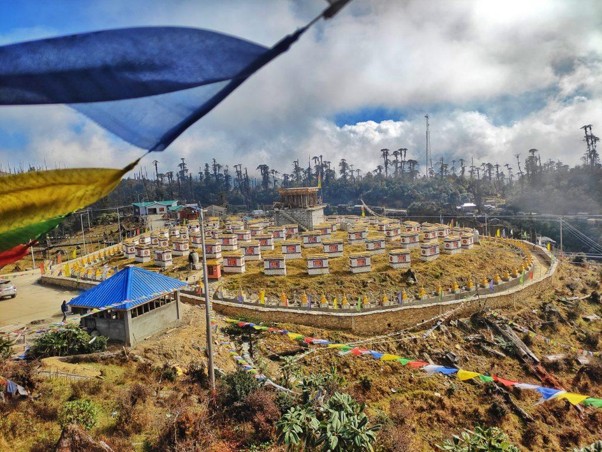
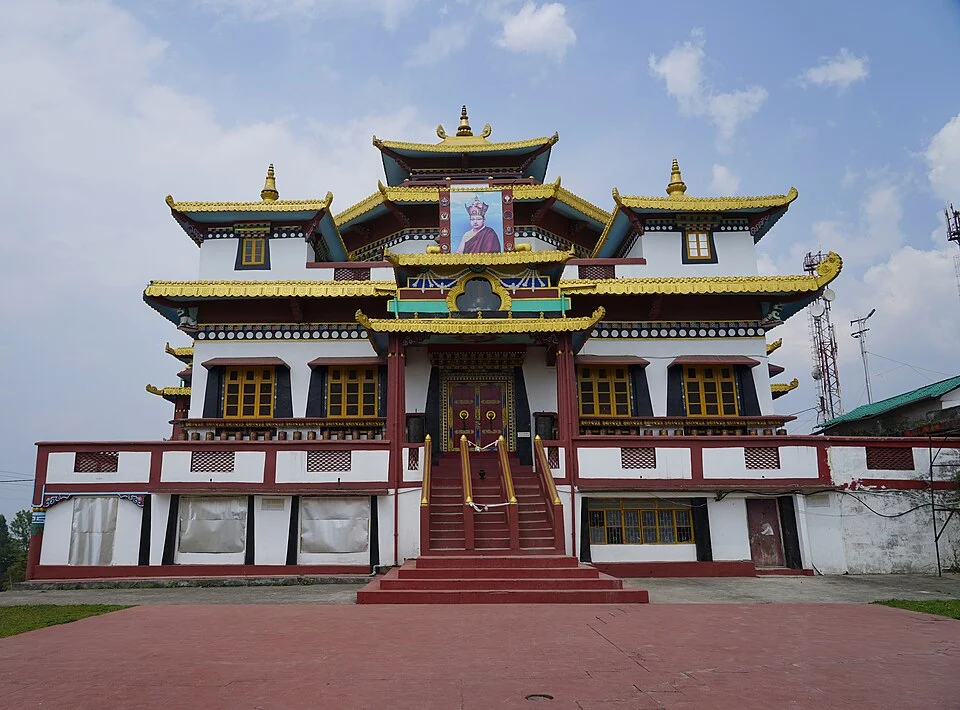
One of the most revered Buddhist monasteries in West Bengal, Zang Dhok Palri Phodang Monastery was consecrated by His Holiness the Dalai Lama in 1976.
⊕ Read MoreRead Less
The monastery houses rare Tibetan scriptures believed to have been brought from Tibet during periods of political upheaval.
Visitors are welcomed by colourful prayer flags, beautifully painted murals, intricate Buddhist artwork, and peaceful meditation halls. The monastery's elevated location enhances its spiritual atmosphere while offering magnificent panoramic views across Kalimpong.
Many tourists spend time observing prayer ceremonies, learning about Tibetan Buddhism, and enjoying the tranquil surroundings.
Dr. Graham's Homes
Founded in 1900 by Scottish missionary Reverend Dr. John Anderson Graham, Dr.
⊕ Read MoreRead Less
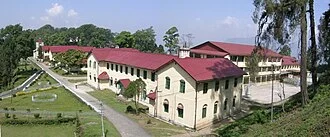
Graham's Homes remains one of Kalimpong's most remarkable heritage institutions. Spread across more than 500 acres, the campus resembles a picturesque European village with charming stone buildings, churches, gardens, and tree-lined pathways.
Originally established to educate underprivileged Anglo-Indian children, the institution has become an important symbol of Kalimpong's colonial history and educational legacy. Visitors admire the impressive architecture, peaceful surroundings, and historical significance of this landmark.
Photography enthusiasts particularly enjoy exploring the beautifully maintained campus during spring and autumn.
Mangal Dham Temple
Dedicated to Lord Krishna, Mangal Dham Temple is among the most significant Hindu pilgrimage sites in Kalimpong.
⊕ Read More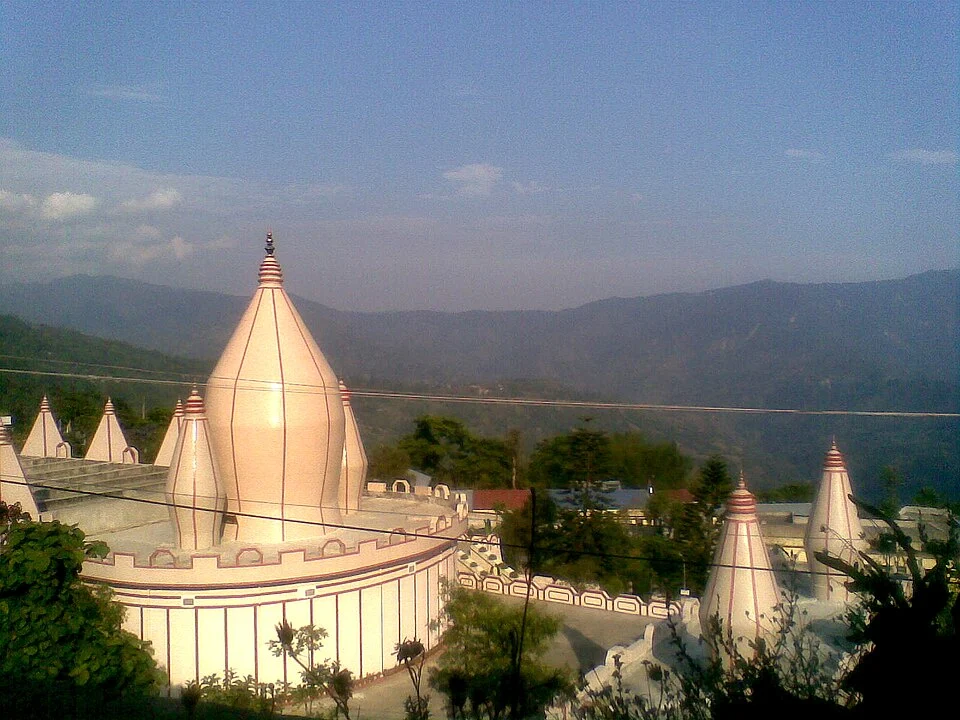
Hanuman Temple
Located near Deolo Hill, the Hanuman Temple is another popular spiritual destination offering magnificent mountain views.
⊕ Read MoreRead Less
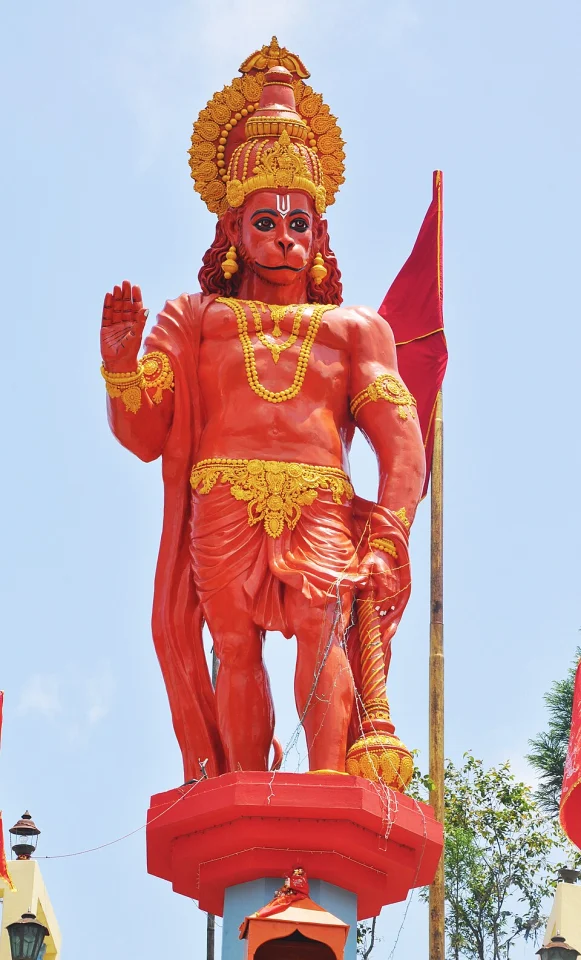
The temple features a towering statue of Lord Hanuman overlooking the surrounding valleys, creating an impressive visual landmark visible from several parts of Kalimpong.
Many visitors combine their visit with Deolo Hill, enjoying both spiritual experiences and breathtaking Himalayan scenery. The peaceful environment and panoramic landscape make it an ideal stop for photography and quiet reflection.
Kalimpong Science Centre
Among the educational attractions contributing to Kalimpong Tourism, the Kalimpong Science Centre offers an engaging experience for visitors of all ages. Situated amidst lush greenery, the centre features interactive science exhibits, a planetarium, and educational displays that simplify scientific concepts through hands-on learning.
⊕ Read MoreRead Less
Families travelling with children often include this attraction in their itinerary because it combines entertainment with education. The beautifully landscaped campus also offers scenic viewpoints overlooking the surrounding hills, making it a pleasant place to spend a few hours.
Pine View Nursery (Cactus Nursery)
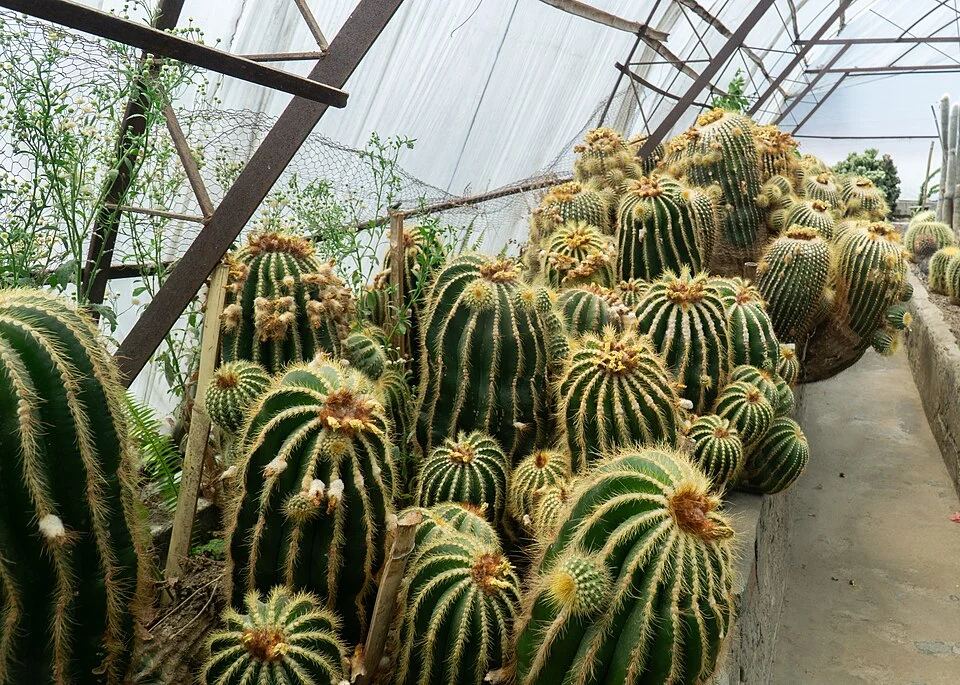
Kalimpong has earned an international reputation for its flourishing flower and cactus nurseries, and Pine View Nursery is among the most celebrated. Housing thousands of varieties of cacti and succulents collected from across the world, it is considered one of Asia's finest cactus collections.
⊕ Read MoreRead Less
Walking through the nursery reveals an extraordinary display of rare desert plants, exotic succulents, flowering cacti, and ornamental species maintained with remarkable care. Gardening enthusiasts, botanists, and photographers particularly appreciate the diversity found here. A visit to this nursery beautifully showcases Kalimpong's long-standing horticultural heritage.
Morgan House
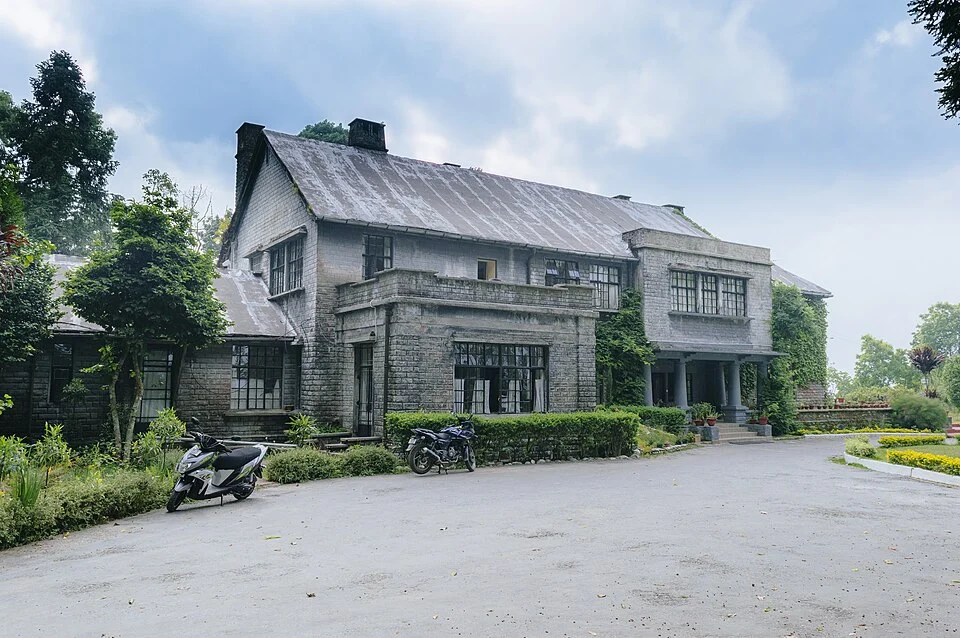
Constructed during the British colonial period, Morgan House is one of Kalimpong's finest examples of heritage architecture. Once the residence of George Morgan, this elegant mansion now functions as a heritage tourist lodge.
⊕ Read MoreRead Less
Built in traditional Scottish style, its stone walls, wooden interiors, fireplaces, and sprawling gardens transport visitors to a bygone era. Local folklore surrounding the mansion adds an element of mystery, making it popular among history enthusiasts. Whether or not one believes the stories, the property offers stunning Himalayan views and an authentic glimpse into colonial Kalimpong.
Lepcha Museum
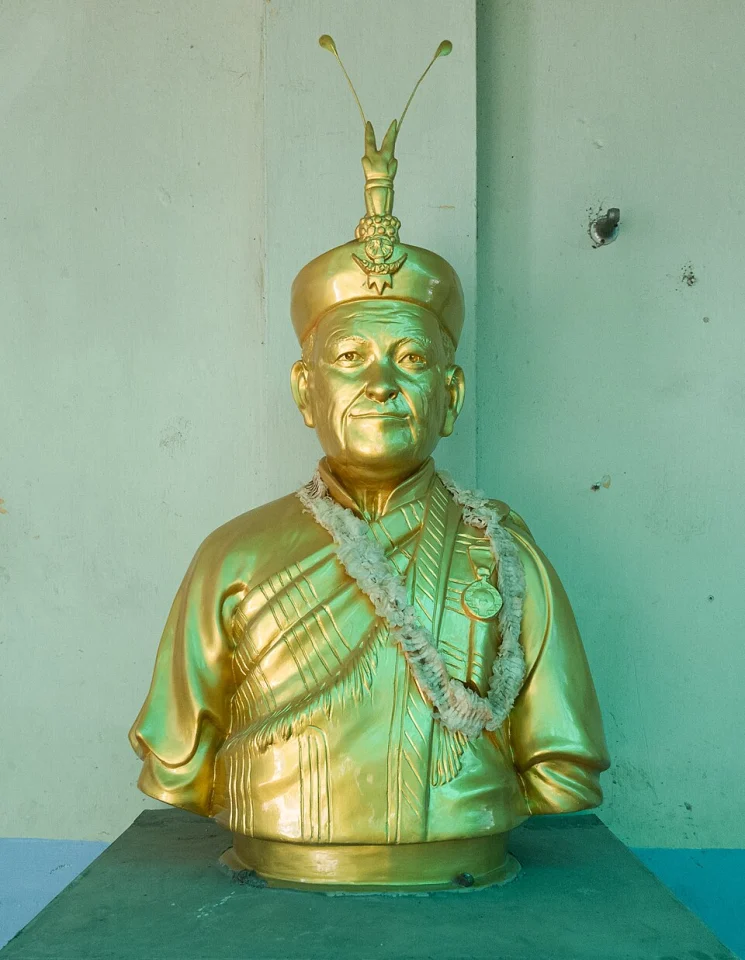
For those interested in understanding the indigenous heritage of the Eastern Himalayas, the Lepcha Museum is an invaluable stop during Tourism in Kalimpong. The museum preserves traditional Lepcha clothing, musical instruments, hunting equipment, manuscripts, household items, and handcrafted artefacts that narrate the history of one of the oldest communities in the region.
⊕ Read MoreRead Less
Visitors gain meaningful insights into Lepcha customs, folklore, language, and sustainable lifestyle, making this museum an important cultural attraction.
Crookety House
Crookety House is another historic colonial bungalow believed to have hosted renowned personalities, including Nobel laureate Rabindranath Tagore during his visits to Kalimpong. Although privately owned, the property's charming architecture and historical associations make it an interesting landmark for heritage lovers.
⊕ Read MoreRead Less
Surrounded by old pine trees and flowering gardens, the house reflects the elegance of Kalimpong's colonial past.
Tharpa Choling Monastery
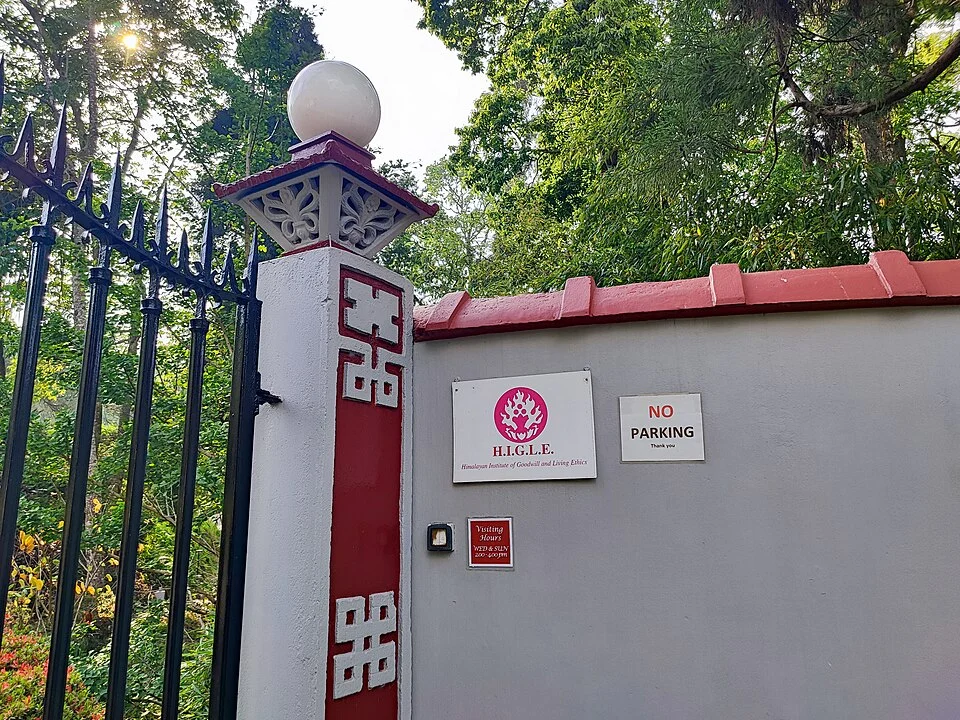
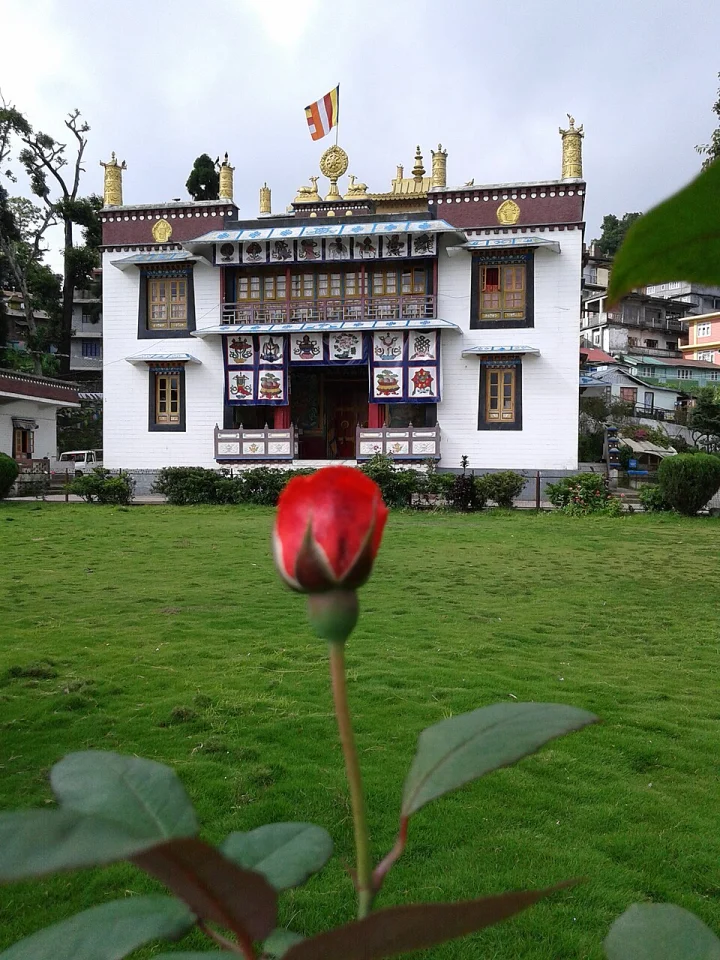
Established in the early twentieth century, Tharpa Choling Monastery belongs to the Gelug school of Tibetan Buddhism. The monastery's vibrant murals, intricate prayer halls, golden statues, and peaceful meditation spaces create an atmosphere of serenity.
⊕ Read MoreRead Less
Visitors often attend morning prayers to witness traditional Buddhist rituals accompanied by chanting monks and ceremonial instruments. The monastery also offers panoramic views of the surrounding valleys.
Thongsa Gompa
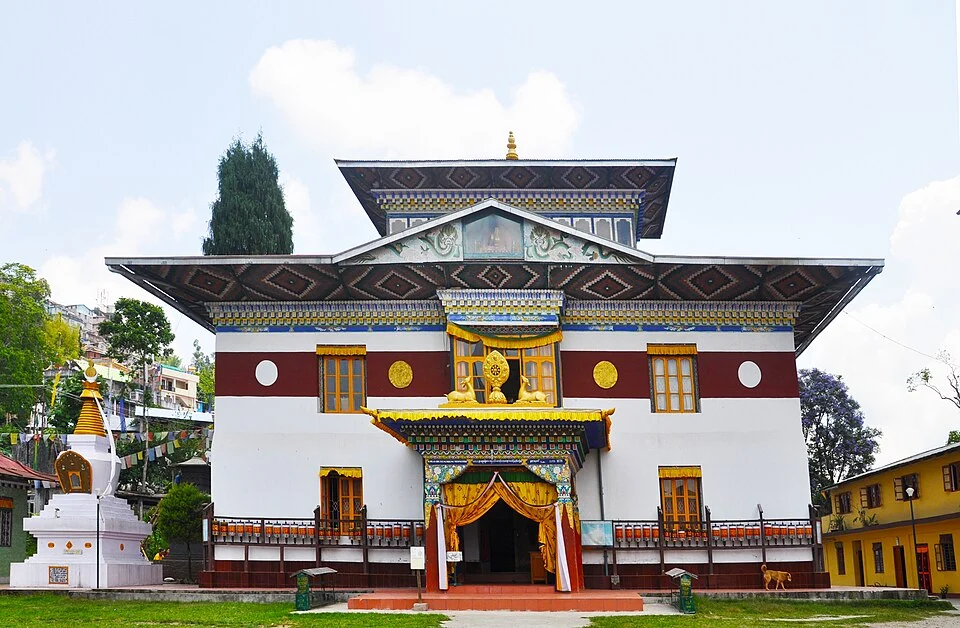
Recognised as one of the oldest monasteries in Kalimpong, Thongsa Gompa dates back to the late seventeenth century. It played a significant role in spreading Tibetan Buddhism across the region and continues to be an active centre of spiritual learning.
⊕ Read MoreRead Less
The monastery's traditional architecture, ancient scriptures, colourful prayer wheels, and peaceful surroundings make it one of the most spiritually enriching destinations in Tourism Kalimpong.
Teesta River
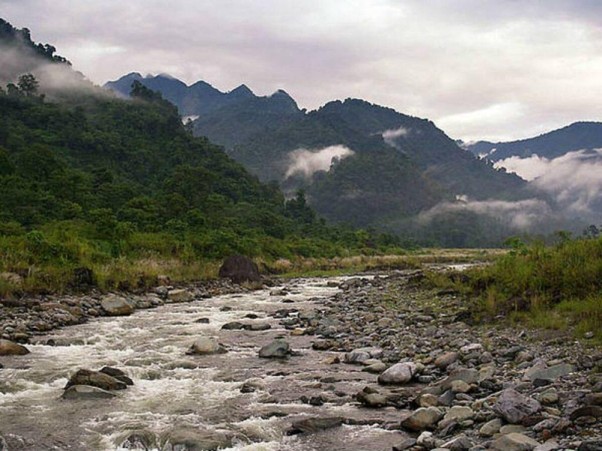
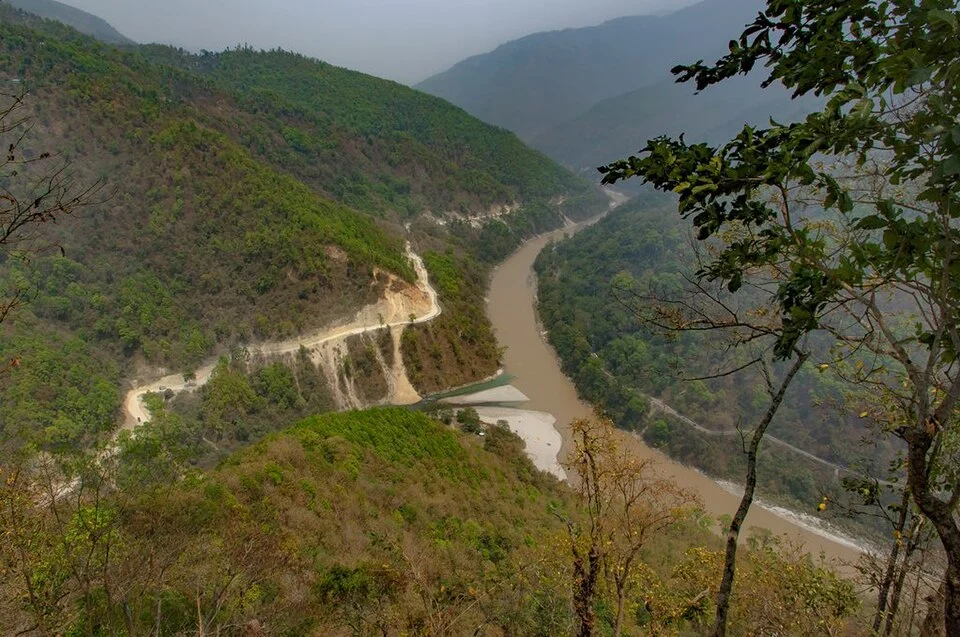
Flowing gracefully through the foothills below Kalimpong, the Teesta River adds adventure and scenic beauty to the region. The emerald-green waters create dramatic landscapes that attract photographers throughout the year.
⊕ Read MoreRead Less
Adventure enthusiasts enjoy white-water rafting during suitable seasons, while riverside viewpoints provide excellent opportunities to admire the surrounding Himalayan scenery. The river also serves as a lifeline for nearby villages, contributing to agriculture and local livelihoods.
Neora Valley National Park
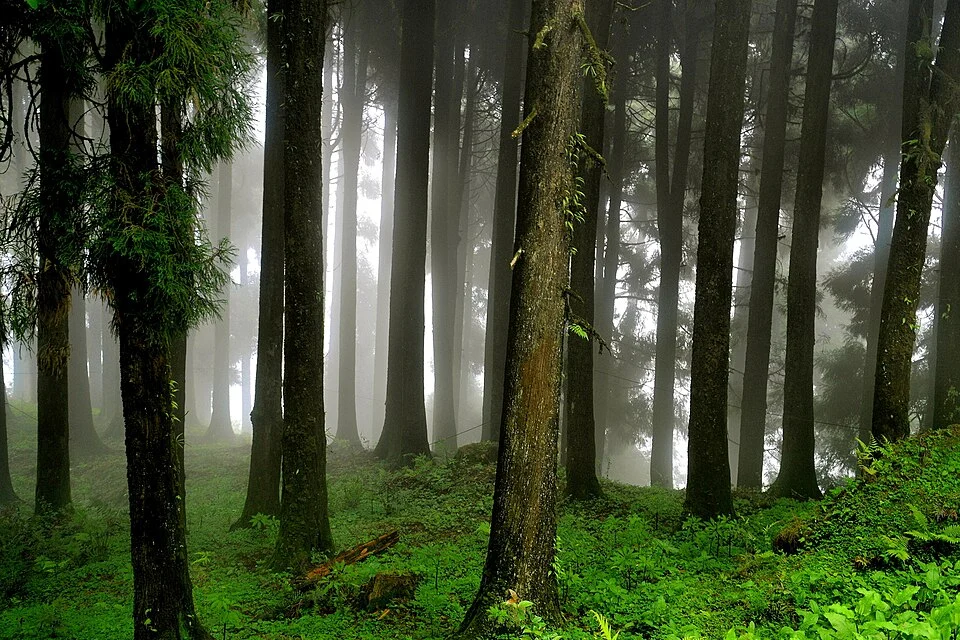
Located within easy reach of Kalimpong, Neora Valley National Park is among the richest biodiversity hotspots in Eastern India.
⊕ Read MoreRead Less
Dense temperate forests, bamboo groves, alpine vegetation, and pristine mountain ecosystems shelter rare wildlife including the elusive Red Panda, Himalayan Black Bear, Clouded Leopard, Barking Deer, Himalayan Tahr, and hundreds of bird species.
Trekkers and wildlife enthusiasts consider Neora Valley one of the finest eco-tourism destinations in West Bengal. The untouched wilderness, fresh mountain air, and spectacular forest trails provide unforgettable experiences for visitors seeking nature beyond conventional sightseeing.
Lava
Situated approximately 35 kilometres from Kalimpong, Lava is a picturesque mountain village surrounded by dense forests and rolling hills. It serves as the gateway to Neora Valley National Park and is particularly famous for birdwatching, peaceful monasteries, and mist-covered landscapes.
⊕ Read MoreRead Less
During winter, crisp weather and clear Himalayan views make Lava especially attractive for photographers.
Lolegaon
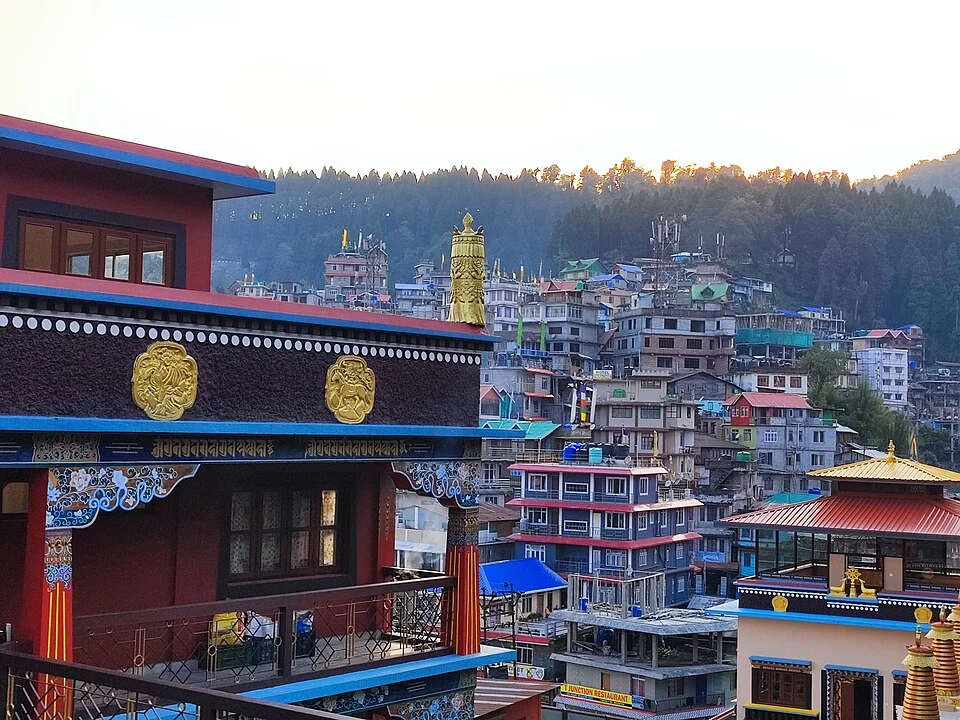
Lolegaon is renowned for its tranquil atmosphere, towering pine forests, and the famous Canopy Walk—a suspended bridge offering panoramic views of the forest below.
⊕ Read MoreRead Less
The village presents an authentic Himalayan experience where visitors can enjoy village walks, sunrise viewpoints, and peaceful evenings away from urban crowds.
Pedong
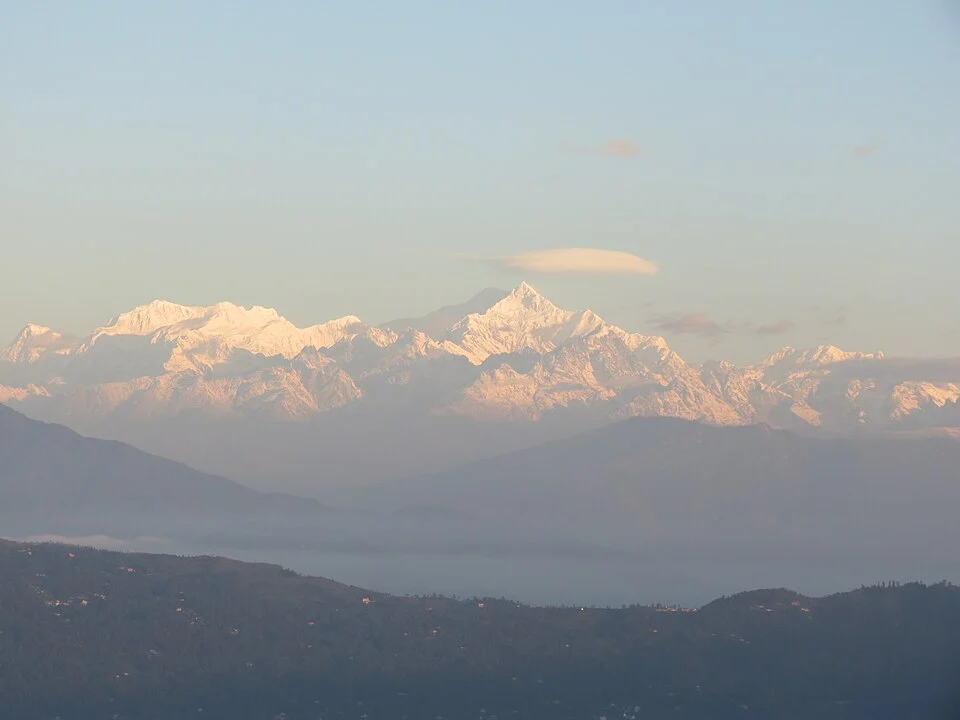
Rich in history and natural beauty, Pedong was once an important stop along the ancient Silk Route. Visitors explore the historic Sangchen Dorjee Monastery, heritage churches, colonial ruins, and surrounding viewpoints overlooking the Himalayan ranges.
⊕ Read MoreRead Less
The peaceful environment makes Pedong an excellent destination for slow travel.

Rishop
Perched at an altitude of nearly 2,600 metres, Rishop offers some of the closest panoramic views of Mount Kanchenjunga.
⊕ Read MoreRead Less
The untouched beauty, dense forests, wooden cottages, and spectacular sunrise views make it one of the most rewarding offbeat destinations near Kalimpong.
Sillery Gaon
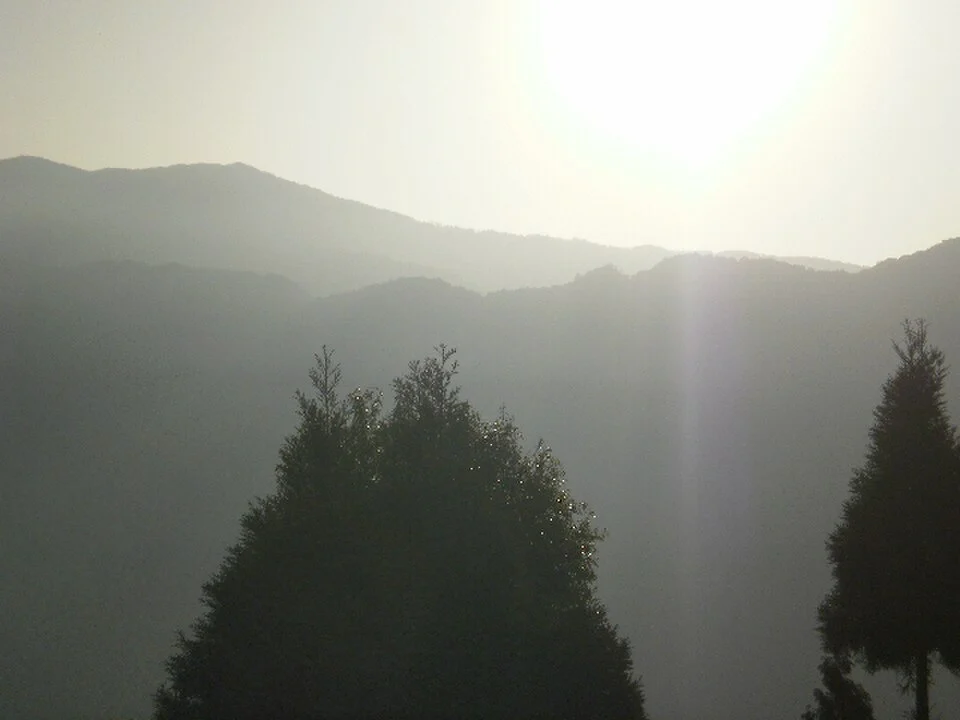
Often called the "New Darjeeling," Sillery Gaon remains relatively untouched by commercial tourism. Traditional wooden houses, terraced farms, orange orchards, and spectacular mountain scenery create an idyllic Himalayan retreat.
⊕ Read MoreRead Less
Visitors often come here for birdwatching, photography, and village tourism.
Ramdhura
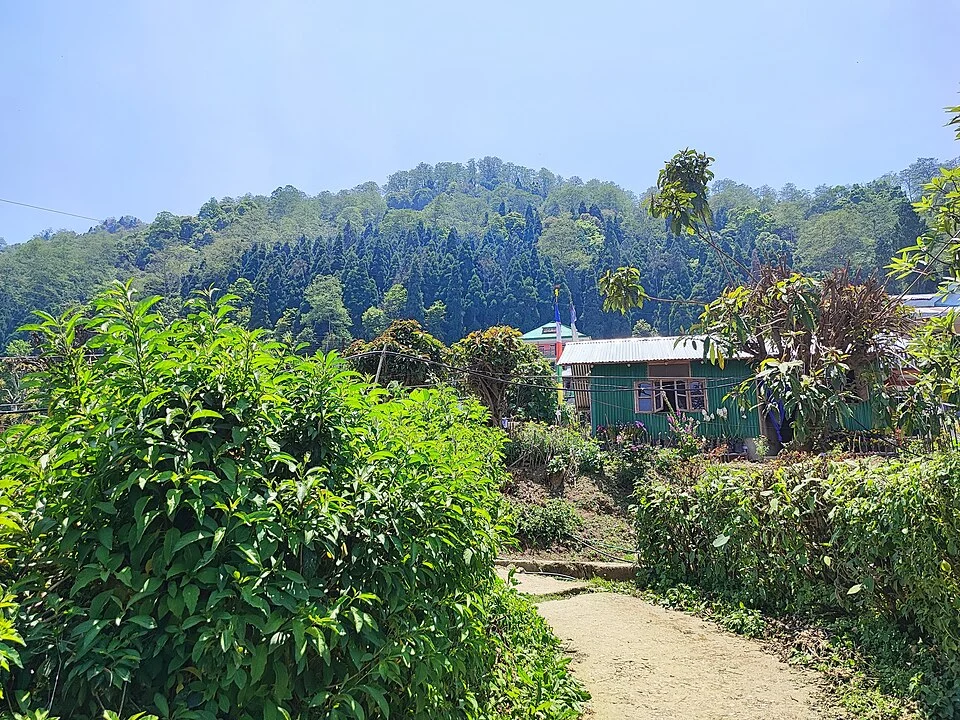
Ramdhura is another hidden paradise known for its peaceful environment and uninterrupted Himalayan views.
⊕ Read MoreRead Less
Homestays here provide opportunities to experience authentic village life, organic farming, and local hospitality while enjoying magnificent sunrises over Kanchenjunga.
Delo Park
Located atop Deolo Hill, Delo Park offers beautifully landscaped gardens, flower beds, children's recreation areas, viewpoints, and picnic spots.
⊕ Read MoreRead Less
It is particularly popular among families and couples seeking a relaxing afternoon amidst colourful Himalayan flowers.
Cinchona Plantation
Kalimpong's historic Cinchona plantations reflect an important chapter in India's medical history. During the British era, Cinchona trees were cultivated here for the production of quinine, a medicine widely used to treat malaria.
⊕ Read MoreRead Less
Today, visitors can explore the scenic plantations while learning about this fascinating agricultural heritage.
Golf Course Viewpoint
This lesser-known viewpoint offers sweeping vistas of the Teesta Valley, rolling hills, and distant snow-capped peaks.
⊕ Read MoreRead Less
The peaceful atmosphere makes it an excellent location for photography and sunset viewing.

Lovers Meet View Point
Named after the confluence of mountain streams below, Lovers Meet View Point provides dramatic valley views and tranquil surroundings.
⊕ Read MoreRead Less
It has become increasingly popular among couples and photographers seeking scenic landscapes away from crowded tourist locations.
Hidden Gems Around Kalimpong
Beyond its popular attractions, Kalimpong Tourism rewards curious travellers with several lesser-known destinations that preserve the authentic charm of the Eastern Himalayas. Charkhole, Icchey Gaon, Kaffer Gaon, Tinchuley, and Chibo offer breathtaking mountain views, traditional homestays, dense forests, and warm local hospitality. These villages allow visitors to experience rural Himalayan life through nature walks, organic farming, birdwatching, and cultural interactions. Unlike commercial destinations, these hidden gems provide peace, fresh mountain air, and meaningful connections with local communities, making them ideal for eco-conscious travellers seeking authentic experiences.
Things to Do in Kalimpong
One of the greatest strengths of Tourism in Kalimpong lies in the variety of experiences available throughout the year. Visitors can witness spectacular Himalayan sunrises from Deolo Hill, hike through dense forests, enjoy rafting on the Teesta River, go paragliding above scenic valleys, or explore colourful flower nurseries famous worldwide. Cycling through winding mountain roads, camping under star-filled skies, monastery visits, birdwatching in Neora Valley, photography tours, village walks, tea tasting, shopping in local markets, and exploring colonial heritage buildings ensure every visitor finds an experience suited to their interests.
Adventure Tourism in Kalimpong
Adventure forms an increasingly important part of Tourism Kalimpong. The surrounding hills offer excellent trekking opportunities through forests, villages, and mountain ridges. White-water rafting on the Teesta River attracts thrill-seekers from across India, while mountain biking routes provide challenging terrain for cycling enthusiasts. Camping, jungle trekking, off-road jeep safaris, rock climbing, and seasonal paragliding further enhance Kalimpong's reputation as an emerging adventure destination in North Bengal.
Spiritual Tourism
Kalimpong is home to numerous monasteries, temples, churches, and meditation centres representing diverse faiths. Visitors often spend peaceful mornings at Zang Dhok Palri Phodang Monastery, Tharpa Choling Monastery, Thongsa Gompa, Mangal Dham Temple, Hanuman Temple, and nearby churches established during the British period. These spiritual sites not only showcase architectural beauty but also reflect the harmony among different religious communities that defines Kalimpong's cultural identity.
Eco Tourism, Wildlife and Nature
Eco-tourism plays a central role in Kalimpong Tourism. The surrounding forests shelter extraordinary biodiversity, including orchids, rhododendrons, bamboo forests, medicinal plants, butterflies, and rare Himalayan wildlife. Neora Valley National Park remains one of India's most pristine protected forests and supports endangered species such as the Red Panda, Clouded Leopard, Himalayan Black Bear, and numerous endemic birds. Visitors are encouraged to practise responsible tourism by respecting wildlife habitats, avoiding plastic waste, and supporting local conservation initiatives.
Culture of Kalimpong
The cultural identity of Kalimpong is one of its greatest strengths and a major reason why Kalimpong Tourism continues to attract visitors from across India and abroad. Unlike many hill stations that are known only for their scenic beauty, Kalimpong offers an enriching cultural experience shaped by centuries of trade, migration, and coexistence. The town is home to diverse communities, including the Lepchas, Nepalis, Bhutias, Tibetans, Sherpas, Marwaris, Bengalis, and Anglo-Indians, all of whom have contributed to its unique social fabric. This harmonious blend of cultures is reflected in the local language, cuisine, architecture, festivals, music, and everyday lifestyle.
The indigenous Lepchas, regarded as the original inhabitants of the region, continue to preserve their customs, folklore, and deep spiritual connection with nature. Their traditions coexist beautifully with Nepali festivals, Tibetan Buddhist rituals, and colonial-era influences that remain visible in Kalimpong's churches, educational institutions, and heritage buildings. Walking through the town, visitors can hear conversations in Nepali, Lepcha, Hindi, Bengali, Tibetan, and English, highlighting the multicultural essence of the destination.
Traditional folk dances and music form an integral part of local celebrations. Performances featuring Maruni, Tamang Selo, Chyabrung Dance, and Tibetan cultural dances are commonly witnessed during festivals and community gatherings. These performances celebrate local legends, agricultural traditions, and religious beliefs while strengthening community ties.
The hospitality of Kalimpong's residents leaves a lasting impression on visitors. Whether staying in a heritage hotel, boutique property, or family-run homestay, tourists often experience genuine warmth, homemade Himalayan cuisine, and meaningful interactions with local families. This welcoming spirit significantly enhances Tourism in Kalimpong, encouraging many visitors to return repeatedly.
Festivals of Kalimpong
Festivals add vibrant colours to Tourism Kalimpong, allowing visitors to witness the region's cultural diversity and spiritual traditions throughout the year. Almost every season brings a celebration that reflects the customs of different communities living harmoniously in the town.
Losar
Losar, the Tibetan New Year, is among the most significant festivals celebrated in Kalimpong. Monasteries are beautifully decorated with colourful prayer flags, butter lamps, and traditional artwork. Monks perform sacred rituals, masked dances, and prayers seeking peace, prosperity, and good fortune. Families prepare festive meals, exchange greetings, and wear traditional attire, creating an atmosphere filled with joy and spirituality.
Dasain (Dashain)
Dasain is the largest festival celebrated by the Nepali community. Families gather to receive blessings from elders, fly kites, prepare traditional delicacies, and perform religious ceremonies dedicated to Goddess Durga. The festival symbolises the victory of good over evil and strengthens family bonds.
Tihar (Deepawali)
Often referred to as the Festival of Lights in Nepalese culture, Tihar is celebrated over several days with the worship of crows, dogs, cows, oxen, and Goddess Lakshmi. Homes are decorated with oil lamps and colourful rangolis, while children perform the traditional Deusi-Bhailo folk songs from house to house.
Buddha Purnima
Buddha Purnima holds immense significance due to Kalimpong's large Buddhist population. Monasteries organise prayer ceremonies, meditation sessions, scripture recitations, and processions honouring Lord Buddha's birth, enlightenment, and Mahaparinirvana.
Maghe Sankranti
Celebrated during January, Maghe Sankranti marks the beginning of longer days and is associated with prosperity and agricultural abundance. Families prepare sesame sweets, yam, tarul (root vegetables), and traditional Nepali dishes while offering prayers for good health.
Christmas
The colonial influence of Scottish missionaries has resulted in vibrant Christmas celebrations across Kalimpong. Churches conduct midnight masses, choirs perform carols, homes are decorated with lights, and local bakeries prepare delicious festive cakes, attracting both residents and tourists.
Holi and Diwali
Although Himalayan in character, Kalimpong enthusiastically celebrates Holi and Diwali. Visitors can witness colourful celebrations, community gatherings, cultural performances, and beautifully illuminated homes.
Saraswati Puja
Educational institutions, schools, and colleges celebrate Saraswati Puja with devotion, reflecting Kalimpong's long-standing reputation as an educational centre.
Chaitra Sankranti
Observed by several local communities, Chaitra Sankranti marks the end of the traditional Bengali calendar and is celebrated with prayers, fairs, and cultural programmes.
Monastery Festivals
Throughout the year, Buddhist monasteries host prayer ceremonies, sacred dances, and religious festivals that provide visitors with authentic insights into Tibetan Buddhist traditions.
Food and Cuisine of Kalimpong
A visit to Kalimpong is incomplete without experiencing its diverse Himalayan cuisine. Reflecting the town's multicultural heritage, local food combines Nepali, Tibetan, Bhutanese, Lepcha, and Bengali influences to create flavours that are both comforting and memorable.
Steaming hot momos remain the town's most popular delicacy, served with spicy chutneys and flavourful soups. Equally popular is Thukpa, a nourishing noodle soup prepared with vegetables, meat, and aromatic herbs, making it ideal for the cool mountain climate.
Traditional Nepali dishes such as Gundruk, Kinema, and Sel Roti continue to be favourites among locals. Phagshapa, a rich pork preparation with radish and chillies, reflects Tibetan culinary traditions, while Chhurpi, the famous Himalayan cheese, is enjoyed both fresh and dried.
Tea lovers can savour fresh Darjeeling and Kalimpong teas at cosy cafés overlooking scenic valleys. Organic vegetables, locally grown oranges, cardamom, ginger, mushrooms, and mountain herbs further enrich the region's cuisine.
Kalimpong is also known for its charming bakeries, cafés, and family-run restaurants that serve homemade pastries, breads, cakes, and fusion Himalayan dishes. Visitors are encouraged to explore local eateries rather than relying solely on commercial restaurants to experience authentic regional flavours.
Shopping in Kalimpong
Shopping forms an enjoyable part of Kalimpong Tourism, offering visitors an opportunity to take home locally crafted souvenirs and traditional Himalayan products. The town's bustling markets showcase handmade goods that reflect the artistic traditions of its diverse communities.
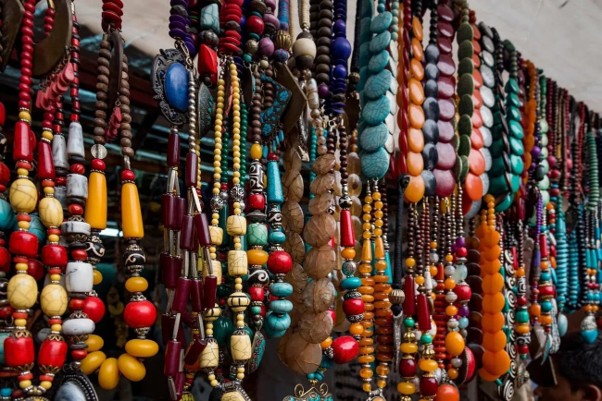
Popular purchases include Tibetan handicrafts, prayer wheels, singing bowls, prayer flags, handcrafted jewellery, woollen garments, carpets, bamboo products, handmade paper, wooden carvings, and traditional masks. Locally produced honey, organic spices, cardamom, homemade pickles, herbal teas, and mountain herbs are also highly sought after.
Kalimpong is internationally recognised for its orchid cultivation and flower nurseries. Visitors often purchase ornamental plants, exotic orchids, cactus varieties, bonsai, and gardening accessories from the town's renowned nurseries.
Haat Bazaar and local markets provide excellent opportunities to interact with artisans while supporting the local economy. Bargaining is common in some shops, although handmade products deserve fair pricing considering the craftsmanship involved.
Best Time to Visit Kalimpong
One of the advantages of Tourism in Kalimpong is that the destination remains attractive throughout the year, with each season offering unique experiences.
Spring (March to May)
Spring is widely regarded as the best season to visit Kalimpong. Pleasant temperatures, blooming rhododendrons, colourful orchids, and crystal-clear Himalayan views make sightseeing particularly enjoyable. Flower nurseries are at their most vibrant during this period.
Summer (May to June)
Summer offers comfortable weather ranging between 18°C and 28°C, providing a welcome escape from the heat of the plains. Families, couples, and school holiday visitors frequently choose this season for sightseeing and outdoor activities.
Monsoon (July to September)
Monsoon transforms Kalimpong into a lush green paradise with mist-covered hills, flowing waterfalls, and vibrant forests. Although occasional landslides may affect road conditions, photographers and nature lovers appreciate the dramatic landscapes during this season.
Autumn (October to November)
Autumn brings clear skies, comfortable temperatures, and excellent visibility of the Kanchenjunga range. Numerous cultural festivals are celebrated during this period, making it one of the busiest tourism seasons.
Winter (December to February)
Winter offers crisp mountain weather, peaceful surroundings, and spectacular sunrise views. While temperatures can drop below 5°C during the night, daytime sightseeing remains comfortable. Visitors seeking fewer crowds often prefer winter travel.
How to Reach Kalimpong
Reaching Kalimpong is convenient due to its excellent connectivity with major transport hubs in eastern India.
By Air
The nearest airport is Bagdogra International Airport, located approximately 75 kilometres from Kalimpong. Taxis and shared vehicles are readily available for the three-hour journey through scenic mountain roads.
By Train
The nearest railway station is New Jalpaiguri (NJP), situated around 72 kilometres away. NJP is well connected with Kolkata, Delhi, Guwahati, Mumbai, Chennai, Bengaluru, and several other major Indian cities.
By Road
Kalimpong enjoys excellent road connectivity with nearby hill destinations.
Approximate distances include:
- Siliguri – 67 km
- Bagdogra Airport – 75 km
- New Jalpaiguri – 72 km
- Darjeeling – 50 km
- Gangtok – 75 km
- Lava – 35 km
- Lolegaon – 56 km
Regular government buses, private taxis, and shared jeeps operate throughout the day, making travel convenient for tourists.
Local Transportation
Exploring Kalimpong is relatively easy using local taxis, shared jeeps, and reserved sightseeing vehicles. Most major attractions are located within a short driving distance of the town centre, while nearby destinations such as Lava, Lolegaon, Pedong, and Neora Valley can be comfortably visited through day excursions.
Visitors planning extensive sightseeing are advised to hire local taxis for the day, as experienced drivers possess excellent knowledge of mountain roads, weather conditions, and lesser-known viewpoints.
Where to Stay in Kalimpong
Accommodation options have expanded significantly alongside the growth of Kalimpong Tourism, catering to every budget and travel style. Visitors can choose from luxury resorts overlooking the Himalayas, heritage colonial properties, boutique hotels, charming mountain cottages, eco-resorts, family-run homestays, and comfortable Budget Hotels in Kalimpong.
For travellers seeking authentic experiences, homestays in nearby villages such as Sillery Gaon, Ramdhura, Charkhole, and Icchey Gaon offer warm hospitality, home-cooked Himalayan meals, and immersive cultural interactions. Heritage properties like Morgan House provide a glimpse into Kalimpong's colonial past, while modern boutique hotels offer panoramic mountain views and premium amenities.
Budget-conscious visitors will also find numerous Hotels in Kalimpong equipped with clean rooms, essential facilities, Wi-Fi, local dining options, and convenient access to popular attractions. To enjoy the best prices, verified accommodations, exclusive seasonal offers, and hassle-free reservations, it is advisable to book Budget Hotels in Kalimpong in advance through a trusted travel booking platform, especially during spring, autumn, and festive seasons when demand is at its highest.
Responsible Tourism Tips
As Kalimpong Tourism continues to grow, responsible travel plays an essential role in preserving the region's fragile Himalayan ecosystem and cultural heritage. Visitors should avoid littering, carry reusable water bottles, minimise the use of single-use plastics, and dispose of waste responsibly. Supporting local businesses, purchasing handmade products from local artisans, and choosing family-run homestays contribute directly to the livelihood of the local community.
While visiting monasteries and temples, tourists should dress modestly, maintain silence during prayer sessions, and always seek permission before photographing monks or religious ceremonies. Nature lovers should remain on designated trails, avoid disturbing wildlife, and refrain from collecting flowers, orchids, or plants from protected forests.
Respecting local customs, reducing environmental impact, and travelling responsibly ensure that future generations can continue to experience the natural beauty and cultural richness of Kalimpong.
Conclusion
Kalimpong Tourism offers far more than scenic Himalayan landscapes. It is a destination where history, spirituality, nature, culture, and adventure blend seamlessly to create unforgettable travel experiences. From the panoramic viewpoints of Deolo Hill and Durpin Dara to the peaceful monasteries, colourful flower nurseries, colonial heritage buildings, and vibrant local markets, every corner of Kalimpong reflects its unique identity.
Whether you are seeking a peaceful family vacation, a romantic honeymoon, an adventure-filled escape, or a cultural journey through the Eastern Himalayas, Tourism in Kalimpong promises memorable experiences throughout the year. The town's warm hospitality, diverse cuisine, rich traditions, and breathtaking surroundings continue to make it one of the finest destinations in North Bengal Tourism.
To make your journey even more comfortable, it is advisable to reserve your Hotels in Kalimpong or Budget Hotels in Kalimpong well in advance, particularly during spring, autumn, and festive seasons. Booking through a trusted travel platform ensures verified accommodations, competitive prices, exclusive offers, and a hassle-free travel experience, allowing you to enjoy every moment of your Himalayan getaway.
Frequently Asked Questions on Kalimpong Tourism
Why is Kalimpong Tourism becoming increasingly popular among tourists?
Kalimpong Tourism has gained popularity because it combines spectacular Himalayan scenery with authentic cultural experiences. Unlike many crowded hill stations, Kalimpong offers peaceful surroundings, colonial heritage, Buddhist monasteries, flower nurseries, adventure activities, and warm local hospitality. Visitors can also explore nearby destinations such as Lava, Lolegaon, Neora Valley National Park, and Rishop, making Kalimpong an excellent base for exploring North Bengal. Its pleasant climate throughout the year further enhances its appeal for families, couples, solo travellers, and nature enthusiasts.
What are the best tourist attractions in Kalimpong?
Some of the best tourist attractions in Kalimpong include Deolo Hill, Durpin Dara Hill, Zang Dhok Palri Phodang Monastery, Dr. Graham's Homes, Morgan House, Mangal Dham Temple, Hanuman Temple, Pine View Nursery, Lepcha Museum, Teesta River, Neora Valley National Park, Lava, Lolegaon, Pedong, Rishop, Ramdhura, and Sillery Gaon. Each destination offers unique experiences ranging from panoramic Himalayan views and historical landmarks to wildlife, spirituality, photography, and adventure activities.
What is the best time to experience Tourism in Kalimpong?
The ideal time for Tourism in Kalimpong depends on personal preferences. Spring (March to May) offers blooming flowers and clear mountain views, making it the most popular season. Summer provides comfortable weather for sightseeing, while autumn (October to November) features excellent visibility of the Kanchenjunga range along with vibrant festivals. Winter is perfect for peaceful holidays and photography, whereas monsoon transforms Kalimpong into a lush green paradise for nature lovers, although occasional landslides may affect travel.
How many days are enough for a Kalimpong trip?
A two-day trip is sufficient to explore the major attractions within Kalimpong, including Deolo Hill, Durpin Dara, monasteries, heritage buildings, and flower nurseries. However, a three to four-day itinerary is recommended for visitors wishing to include nearby destinations such as Lava, Lolegaon, Neora Valley National Park, Pedong, Ramdhura, and Sillery Gaon. Spending additional time also allows visitors to enjoy village tourism, birdwatching, hiking, and local cultural experiences at a relaxed pace.
Is Kalimpong suitable for families, couples, and senior citizens?
Yes. Kalimpong Tourism caters to visitors of all age groups. Families appreciate the safe environment, educational attractions, parks, and pleasant weather. Couples enjoy romantic viewpoints, cosy cafés, peaceful monasteries, and scenic drives through the Himalayan landscape. Senior citizens find Kalimpong comfortable due to its moderate climate, relaxed pace of sightseeing, good road connectivity, and availability of quality accommodation. The welcoming local community further enhances the overall travel experience.
Which festivals can tourists experience in Kalimpong?
Visitors can experience a variety of festivals reflecting Kalimpong's multicultural heritage. Major celebrations include Losar (Tibetan New Year), Dasain, Tihar, Buddha Purnima, Maghe Sankranti, Christmas, Holi, Diwali, Saraswati Puja, Chaitra Sankranti, and numerous monastery festivals. These celebrations feature colourful cultural performances, traditional music, folk dances, religious ceremonies, delicious local cuisine, and community gatherings, offering tourists a deeper understanding of Kalimpong's rich cultural traditions.
What are the famous local foods in Kalimpong?
Kalimpong's cuisine showcases influences from Nepali, Tibetan, Lepcha, and Bhutanese cultures. Popular dishes include momos, thukpa, gundruk, sel roti, kinema, phagshapa, chhurpi, and traditional Himalayan soups. Visitors should also try locally produced teas, organic vegetables, homemade pickles, fresh bakery products, and seasonal fruits such as oranges. Exploring family-run restaurants and local cafés offers the most authentic culinary experiences while supporting the local community.
Is Kalimpong safe for solo travellers?
Yes, Kalimpong is widely regarded as one of the safest hill destinations in West Bengal. Solo travellers generally enjoy a welcoming environment, helpful residents, and well-connected tourist areas. Basic precautions, such as avoiding isolated places after dark, keeping valuables secure, and staying informed about weather conditions, are advisable. Choosing verified accommodations and registered taxis further contributes to a safe and comfortable travel experience.
What adventure activities are available in Kalimpong?
Adventure enthusiasts can enjoy trekking, mountain biking, white-water rafting on the Teesta River, camping, birdwatching, hiking, photography expeditions, and seasonal paragliding. Neora Valley National Park offers rewarding trekking routes through dense forests rich in biodiversity, while surrounding villages provide opportunities for off-road exploration and nature walks. These experiences make Tourism Kalimpong an attractive destination for travellers seeking both adventure and scenic beauty.
Where should visitors stay during their Kalimpong holiday?
Kalimpong offers a wide range of accommodation options, including luxury resorts, boutique hotels, heritage properties, eco-resorts, homestays, and Budget Hotels in Kalimpong. Visitors who prefer cultural immersion can choose village homestays in Ramdhura, Sillery Gaon, Charkhole, or Icchey Gaon, while those seeking convenience may stay near the town centre. Booking Hotels in Kalimpong through a trusted travel platform in advance helps secure the best rates, verified properties, exclusive discounts, and a smooth travel experience, especially during peak tourist seasons.