Explore the top tourist attractions in Guwahati including temples, riverfronts, wildlife, and cultural sites for an unforgettable Assam trip.
Guwahati, the largest city of Assam and the gateway to Northeast India, sits gracefully on the southern banks of the mighty Brahmaputra River. Known for its ancient temples, lush green hills, rich Assamese culture, and stunning riverine landscapes, Guwahati offers a travel experience that blends spirituality, wildlife, history, and natural beauty in equal measure. Whether you are a first-time visitor exploring the tourist attractions in Guwahati or a returning traveller looking for hidden gems, this city has something meaningful to offer every kind of traveller.
Below is a carefully curated list of the top 15 must see tourist attractions in Guwahati that offers you with a travel experience and plan a memorable and well-rounded trip.
Perched atop the Nilachal Hills, Kamakhya Temple is one of the most revered Shakti Peethas in India and undoubtedly the most iconic tourist attraction in Guwahati. This ancient temple, dedicated to Goddess Kamakhya, attracts thousands of devotees and curious travellers throughout the year, especially during the Ambubachi Mela. The unique architecture, with its beehive shaped shikhara, sets it apart from typical North Indian temples. Visitors often describe the atmosphere here as deeply spiritual and energetically charged. The temple complex also offers panoramic views of the city and the Brahmaputra River below. A visit early in the morning helps you avoid crowds and experience the temple in a more peaceful setting.


Located on Peacock Island in the middle of the Brahmaputra River, Umananda Temple is dedicated to Lord Shiva and is believed to be one of the smallest inhabited river islands in the world. Reaching the temple requires a short and scenic ferry ride from Kachari Ghat, which itself becomes a memorable part of the visit. The island is home to the rare golden langur, adding a touch of wildlife charm to this spiritual stop. The temple’s serene surroundings and the gentle sound of river waves make it a peaceful retreat from the city’s hustle. Sunset views from the island are particularly breathtaking and worth planning your visit around.
Spread across nearly 175 acres, the Assam State Zoo cum Botanical Garden is one of the largest zoos in India and a favourite family destination among tourist attractions in Guwahati. The zoo houses an impressive variety of species including the one horned rhinoceros, royal Bengal tiger, and numerous rare birds native to the region. The botanical garden section adds further appeal with its diverse flora, walking trails, and shaded picnic spots. It is an ideal outing for families with children who want a relaxed day exploring nature. Early morning or late afternoon visits are recommended to see the animals at their most active.


Nestled amid the foothills near the Basistha and Bahini rivers, Basistha Temple is dedicated to the sage Vashishtha and holds great mythological significance in Assamese tradition. The temple complex is surrounded by dense greenery, gentle waterfalls, and flowing streams that create a naturally calming environment. Many visitors combine their temple visit with a short trek or a picnic by the riverside, making it a wholesome half day excursion. The site is considered ideal for those seeking a quieter, nature infused spiritual experience away from the more crowded temples in the city. It is particularly beautiful during and just after the monsoon season when the streams are full.
Situated on Chitrachal Hill, the Navagraha Temple is dedicated to the nine celestial bodies or planets in Hindu astrology, making it a unique and historically important site among Guwahati’s temples. The temple’s distinctive red dome and dimly lit inner sanctum, illuminated only by small lamps in front of each planetary deity, create a mystical atmosphere unlike any other shrine in the region. Historically, this site is also believed to have been a centre of astrology and astronomical study in ancient Assam. The hilltop location offers sweeping views over Guwahati city and the river beyond. It is a compact but culturally rich stop that fits easily into a half day city tour.


The Guwahati War Cemetery is a beautifully maintained memorial dedicated to Allied soldiers who lost their lives during the Second World War, particularly during the Burma Campaign. Maintained by the Commonwealth War Graves Commission, the cemetery features neatly arranged headstones set amid manicured lawns and colourful flower beds. It offers a quiet, reflective space that stands in gentle contrast to the city’s more vibrant attractions. History enthusiasts and those interested in wartime heritage will find this a moving and informative stop. The peaceful ambience also makes it a pleasant spot for a calm morning walk.
Nehru Park is a well landscaped garden located in the heart of Guwahati, popular among locals and tourists alike for its relaxed and family friendly atmosphere. The park features neatly manicured lawns, colourful flower displays, sculptures depicting Assamese folk tales, and a musical fountain that comes alive in the evenings. It serves as a pleasant spot to unwind after a day of sightseeing, particularly for travellers with children. The park also hosts cultural events and evening light shows during festive seasons. Its central location makes it easy to include as a quick stop between other attractions in the city.


For travellers interested in the history, art, and culture of the region, the Assam State Museum is an essential stop among Guwahati’s must see tourist attractions. The museum showcases an extensive collection of archaeological artefacts, traditional Assamese textiles, tribal jewellery, ancient sculptures, and manuscripts that trace the region’s rich cultural evolution. Well organised galleries help visitors understand the diverse tribal heritage of Assam and the broader Northeast India region. The museum is particularly valuable for those wanting context before exploring the region’s temples and rural areas further. A couple of hours here offers a meaningful cultural grounding for the rest of your Guwahati trip.
Also known as the Bhagyachandra Jubilee Planetarium, this attraction is a great choice for families and curious travellers wanting an educational break from temple hopping. The planetarium hosts regular sky shows that explain astronomical phenomena in an engaging and accessible way, making it especially popular with children. Its modern projection technology brings the night sky to life inside a comfortable indoor theatre, regardless of the weather outside. It is conveniently located near other central attractions, allowing easy inclusion in a city sightseeing itinerary. The shows run in both English and Assamese, catering to a wide range of visitors.


Located around 45 kilometres from the city, Pobitora Wildlife Sanctuary is often called a mini Kaziranga due to its remarkably high density of one horned rhinoceros. This makes it one of the best day trip options among tourist attractions in Guwahati for wildlife lovers. Visitors can enjoy jeep safaris or elephant back rides through the grasslands and wetlands to spot rhinos, wild buffaloes, and a wide variety of migratory birds, especially in winter. The sanctuary’s compact size means sightings are frequent, making it ideal for travellers with limited time who still want an authentic wildlife experience. Early morning safaris offer the best chances of animal sightings and cooler travelling weather.
Deepor Beel is a large freshwater lake and designated Ramsar wetland site located on the southwestern outskirts of Guwahati, recognised as one of the most important wetlands in Northeast India. It serves as a vital habitat for numerous resident and migratory bird species, making it a paradise for birdwatchers and nature photographers. The tranquil waters, surrounded by paddy fields and distant hills, create a peaceful escape from city life. Boating and guided bird watching tours are available for those wanting a closer look at the wetland ecosystem. Visiting during the winter months rewards travellers with the widest variety of migratory birds.


No visit to Guwahati is complete without experiencing the Brahmaputra River firsthand, and an evening river cruise offers one of the most memorable ways to do so. Cruises typically depart from Alfresco Grand Ghat or Kachari Ghat, offering passengers stunning views of the sunset, the city skyline, and Umananda Island from the water. Many cruises include cultural performances featuring traditional Assamese music and dance, adding a festive touch to the experience. It is a relaxing way to end a day of sightseeing while appreciating the sheer scale and beauty of one of Asia’s mightiest rivers. Booking in advance is recommended, especially during peak tourist season.
Often referred to as the Manchester of Assam, Sualkuchi is a traditional weaving village located about 35 kilometres from Guwahati, renowned for its exquisite Muga, Eri, and Pat silk production. A visit here offers travellers a fascinating glimpse into the age old handloom traditions practised by nearly every household in the village. Tourists can watch skilled artisans at work on traditional looms and purchase authentic handwoven silk products directly from the source. This makes it an excellent stop for those interested in sustainable and culturally rich shopping experiences. The village also offers insight into the daily rural life of Assam, distinct from the bustle of Guwahati city.


Hajo is a small but historically significant pilgrimage town located around 32 kilometres from Guwahati, revered by Hindus, Buddhists, and Muslims alike. The town is home to the Hayagriva Madhava Temple, believed by some Buddhist traditions to be linked to the site of Buddha’s nirvana, along with the Powa Mecca mosque considered a quarter as holy as Mecca itself. This rare convergence of multiple faiths in a single small town makes Hajo a unique cultural and spiritual destination near Guwahati. The hilltop temple also offers lovely views of the surrounding countryside and the distant Brahmaputra. A half day trip to Hajo pairs well with a visit to nearby Sualkuchi for a fuller day trip itinerary.
Tucked away amid the Garo Hills, roughly 64 kilometres from Guwahati, Chandubi Lake is a scenic natural lake believed to have been formed after a major earthquake in the late nineteenth century. Surrounded by dense forests and tea gardens, the lake offers a peaceful setting for boating, birdwatching, and simply soaking in the natural beauty of rural Assam. It is a favourite among travellers looking to escape the city for a day and experience the quieter, greener side of the region. The annual Chandubi Festival, held in winter, adds cultural performances and local cuisine stalls to the mix for visitors during that season. This spot is best suited for travellers who enjoy slow, nature focused exploration over fast paced sightseeing.

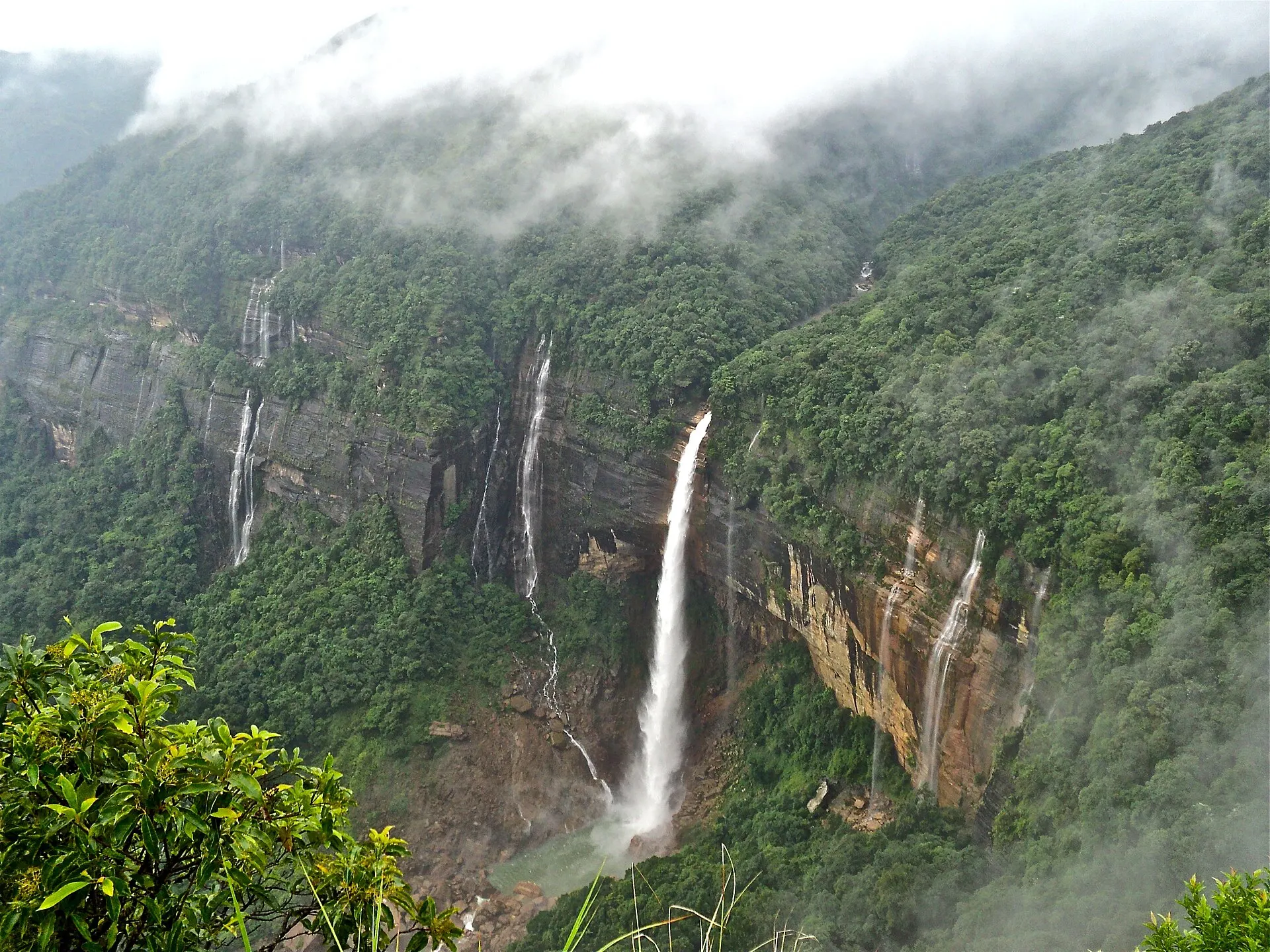
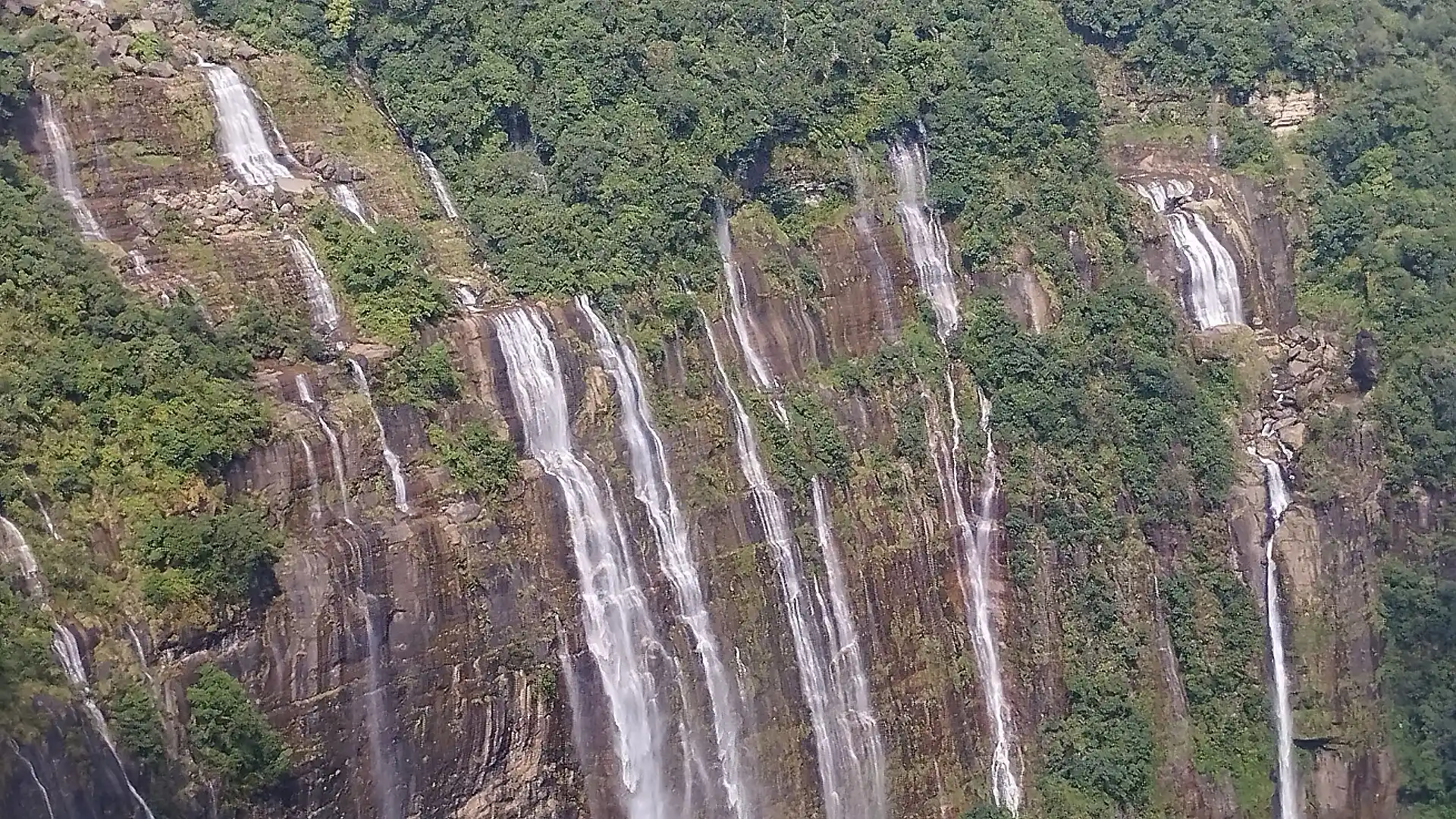
The ideal time to visit Cherrapunji is between October and April when the weather remains pleasant and suitable for sightseeing, wildlife safaris, and outdoor activities. Winter offers comfortable temperatures, while spring brings lush greenery and vibrant landscapes. The monsoon season enhances the natural beauty of the region but may affect travel plans in some areas.
Guwahati works wonderfully as both a standalone destination and as the starting point for a broader Northeast India tour package covering Meghalaya, Kaziranga, and beyond. Most of the attractions listed above can be comfortably covered in a well-planned 3 to 4 day Assam Tour Package, with a mix of temple visits, wildlife excursions, and relaxed evenings by the Brahmaputra. Travellers looking for a hassle-free experience we North East Tour Package, a unit of Travfolks Holidays having a local Guwahati knowledge and Assam demographic knowledge can offer you the best travel packages that offers an unforgettable travel experience in Guwahati.
The best time to visit Guwahati is between October and April, when the weather remains pleasant and dry, making it comfortable to explore temples, wildlife sanctuaries, and outdoor attractions. The winter months, particularly November to February, are especially ideal for wildlife spotting at Pobitora and birdwatching at Deepor Beel. Summers can be quite humid, while the monsoon season, though lush and green, may disrupt travel plans due to heavy rainfall.
A well paced itinerary of 3 to 4 days is generally sufficient to cover the major tourist attractions in Guwahati along with nearby day trips such as Pobitora, Sualkuchi, and Hajo. Travellers with more time can extend their stay to include Chandubi Lake or use Guwahati as a base for onward trips to Kaziranga National Park or Shillong in Meghalaya.
Yes, Kamakhya Temple welcomes visitors of all backgrounds, though it is important to follow the temple’s dress code and customs out of respect for its religious significance. During the Ambubachi Mela in June, the temple sees exceptionally large crowds, so travellers preferring a quieter visit may want to plan around this period.
Umananda Temple can be reached via a short ferry ride from Kachari Ghat, which typically takes about ten to fifteen minutes depending on river conditions. Ferries operate through daylight hours, and it is advisable to check the last return timing in advance, particularly if you plan to stay for the sunset views.
Yes, jeep safaris at Pobitora Wildlife Sanctuary are generally suitable for children and are a popular family activity due to the sanctuary’s compact size and high wildlife visibility. Elephant back safaris are also available for a more immersive experience, though families should check age and safety guidelines with the safari operator beforehand.
Handwoven silk products from Sualkuchi, particularly Muga silk items, are among the most sought after souvenirs from a Guwahati trip due to their craftsmanship and cultural value. Other popular choices include Assamese tea, bamboo and cane handicrafts, and traditional Assamese gamosas, all of which are widely available in local markets across the city.
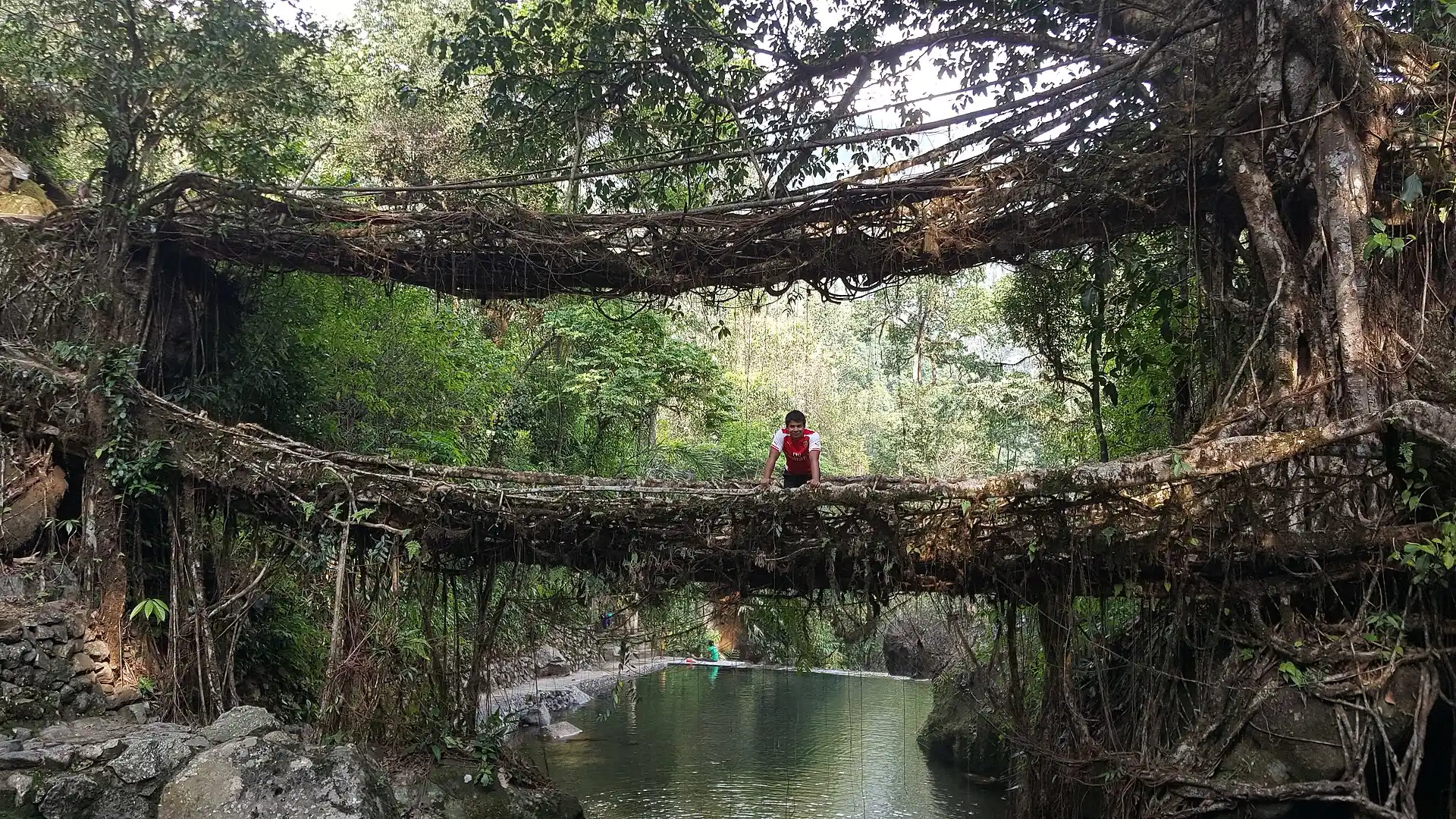
Absolutely, Guwahati’s well connected airport and road network make it the natural gateway for a broader Northeast India tour package, with popular extensions including Kaziranga National Park, Shillong, and Cherrapunji in Meghalaya. Many travellers choose to spend a few days exploring Guwahati’s own attractions before continuing onward into the hills, making it an efficient starting point for a longer regional itinerary.
©2026 NorthEastTourPackage I All Rights Reserved