Visit Namdapha National Park and explore the wilderness of Arunachal Pradesh at its best. See rare animals, enjoy birth watching, jungle safari, jungle trekking and photography.
Namdapha National Park is one of India’s largest and most biologically diverse protected areas. Located in the Changlang District, the park stretches from tropical evergreen forests in the lowlands to alpine meadows in the higher elevations. This remarkable variation in altitude creates an extraordinary ecosystem that supports a wide range of flora and fauna. The park forms part of the Eastern Himalaya biodiversity hotspot and is a paradise for wildlife enthusiasts, birdwatchers, researchers, and adventure travelers.
Covering more than 1,900 square kilometers, Namdapha is famous for its dense forests, pristine rivers, remote trekking trails, and rare wildlife species. Unlike many other national parks in India, Namdapha offers a raw and untouched wilderness experience where visitors can truly connect with nature.
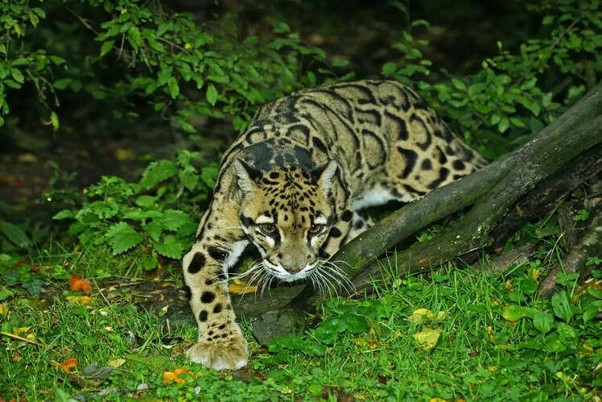
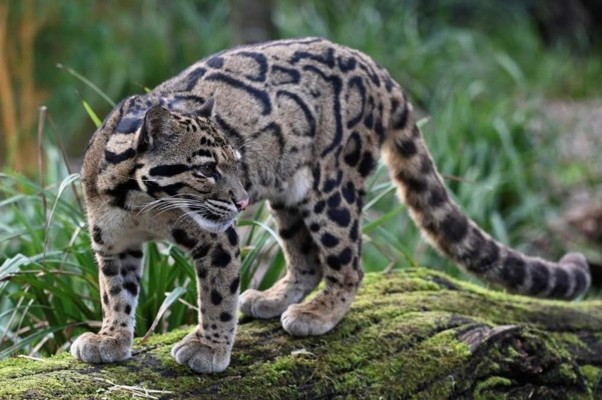
Namdapha is one of the few places in the world where four big cat species are believed to coexist: the Bengal Tiger, Leopard, Clouded Leopard, and Snow Leopard in the higher reaches. The park’s diverse habitats also support a rich variety of mammals, reptiles, amphibians, and birds.
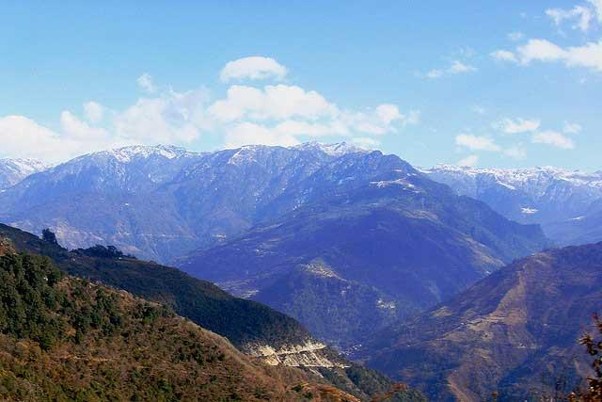
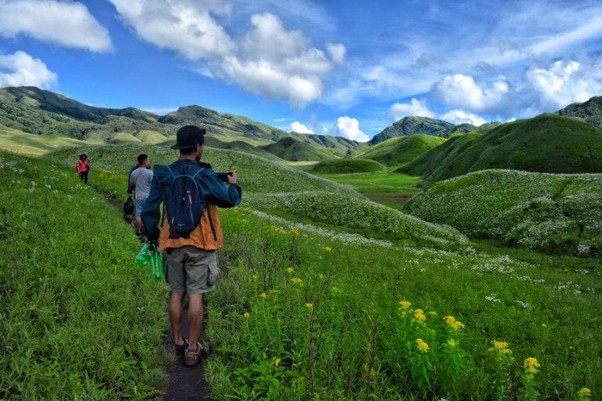
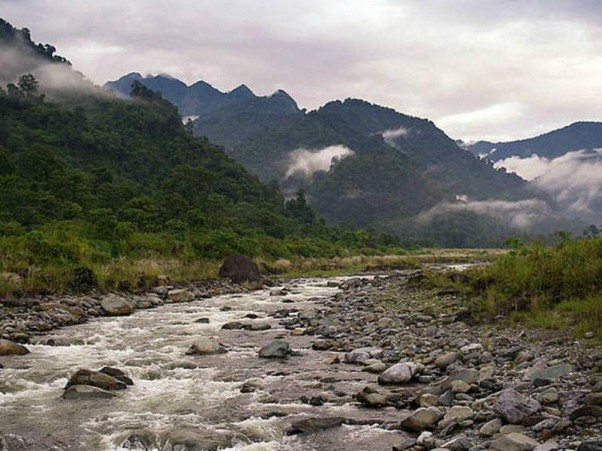
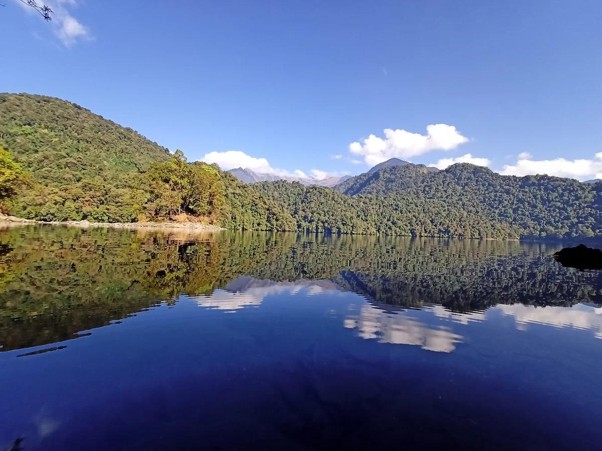
The landscape is equally impressive, featuring thick bamboo forests, towering trees, waterfalls, mountain streams, and mist-covered valleys. For travelers seeking an offbeat destination in Northeast India, Namdapha offers an unforgettable experience far from crowded tourist circuits.
Namdapha National Park is ideal for nature-based activities that allow visitors to explore its rich biodiversity and scenic landscapes.
Popular activities include:
The best time to visit Namdapha National Park is from October to April, when the weather remains pleasant and the forest trails are more accessible for sightseeing, trekking, and wildlife exploration. During October and November, visitors can enjoy clear skies, lush green landscapes, and excellent conditions for photography. The months of December to February bring cooler temperatures, making wildlife spotting more rewarding as animals are often more active and visibility improves within the forest.
March and April are also considered ideal for visiting, as the vegetation begins to bloom and bird activity increases, attracting birdwatchers and nature enthusiasts. In contrast, the period from May to September receives heavy rainfall, which can make many forest trails difficult to access. Travelers are generally advised to avoid the peak monsoon months of June to August, as continuous rain may lead to slippery paths, localized flooding, and transportation disruptions, affecting the overall travel experience.
Visitors typically enter Namdapha through Miao, which serves as the gateway to the national park. The nearest major airport is Dibrugarh Airport, while the nearest railway station is Tinsukia Junction.
Since the park lies in Arunachal Pradesh, Indian travelers require an Inner Line Permit (ILP), and foreign nationals need a Protected Area Permit (PAP) before entering the state.

Namdapha is home to an exceptional variety of wildlife, including several endangered and rare species.
Wildlife sightings depend on weather, season, and time spent inside the forest. Early morning and late afternoon are generally the best times for observing animals.
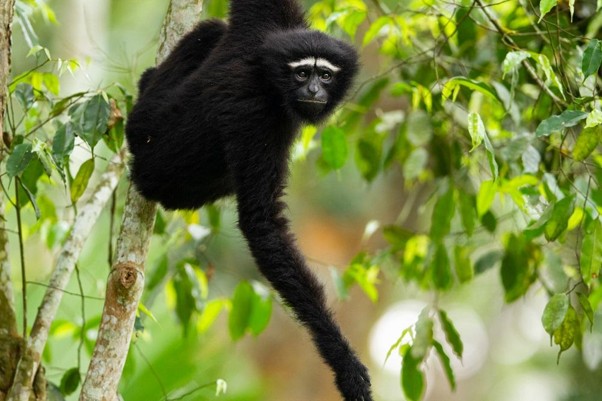
Namdapha National Park is home to an extraordinary range of wildlife, making it one of the most important biodiversity hotspots in India. Commonly sighted mammals include the Hoolock Gibbon, Asian Elephant, Bengal Tiger, Clouded Leopard, Leopard, Red Panda, and the rare Mishmi Takin. Visitors may also encounter herbivores such as the Sambar Deer, Barking Deer, and Wild Boar while exploring the dense forests and river valleys of the park.
For birdwatchers, Namdapha offers an equally rewarding experience with several spectacular Himalayan and Southeast Asian bird species. Frequently observed birds include the majestic Great Hornbill, Wreathed Hornbill, the colorful Blyth’s Tragopan, and the striking Himalayan Monal. In addition, the park’s forests are rich with various woodpeckers, laughingthrushes, flycatchers, and many other resident and migratory birds, making Namdapha a paradise for bird enthusiasts and wildlife photographers.
Namdapha is famous for its extraordinary biodiversity, dense tropical forests, high-altitude ecosystems, and the presence of rare wildlife species, including the clouded leopard, hoolock gibbon, and red panda.
A minimum of 2 to 3 days is recommended to explore the main forest areas, enjoy trekking activities, and increase the chances of wildlife sightings.
No, trekking is not compulsory. Visitors can enjoy shorter nature walks and accessible forest areas, but longer treks provide a deeper wilderness experience.
Yes, families can visit the park. However, very young children may find long treks challenging, so it is advisable to choose shorter exploration routes.
Indian citizens need an Inner Line Permit (ILP), while foreign nationals require a Protected Area Permit (PAP) for entry into Arunachal Pradesh.
The winter and early spring months from November to March offer better visibility and improved chances of spotting wildlife.
Yes, accommodation options such as forest rest houses, guest houses, homestays, and lodges are available in Miao and nearby areas, though advance booking is recommended during the tourist season.
Namdapha National Park offers a rare opportunity to experience one of India’s most pristine wilderness regions. With its rich wildlife, scenic landscapes, trekking trails, birdwatching opportunities, and cultural experiences, the park is a perfect destination for nature lovers and adventure seekers. Visiting between October and April allows travelers to enjoy pleasant weather and better accessibility while exploring the remarkable biodiversity of this Eastern Himalayan treasure.
©2026 NorthEastTourPackage I All Rights Reserved